$10 Off for New Buyers with Code 6YPYU5KC | US Free Shipping | Start from 1 Carton

Winter Pet Supplies 2026: What Should Retailers Stock Before the Cold Weather?

For pet retailers, winter inventory should be built around problems that cold weather creates—not around seasonal graphics alone.
The strongest winter assortment combines warm sleeping products, weather-protective dog gear, paw-care products, indoor enrichment, practical grooming items, and species-appropriate products for rabbits, guinea pigs, hamsters, and other small pets. Retailers in snowy markets may need deeper inventories of coats, paw protection, and outdoor gear, while stores in milder regions may benefit more from cozy pet beds, indoor cat furniture, enrichment toys, grooming supplies, and rain-ready accessories.
Just as important, retailers should buy winter products before customers begin urgently searching for them. A consumer can wait until a cold front arrives to look for a dog coat. A pet store cannot. The retailer has to consider supplier lead time, shipping, merchandising, SKU sizes, available cash, and the risk of carrying seasonal stock after winter ends.
That distinction is the starting point for a smarter winter pet supplies strategy.
Winter is also a challenge across species. Dogs face cold pavement, snow, wind, moisture, and de-icing chemicals. Indoor cats may spend even more time resting and playing inside. Rabbits and guinea pigs need careful protection from damp, drafts, and extreme temperature changes. Hamsters and other small animals need stable indoor environments, appropriate bedding, shelter, and enrichment.
For retailers, that means winter should not be treated as a “dog coat season.” It is better understood as a cold-weather comfort, protection, housing, and indoor-activity season.
 

The Pet Market Is Large—but Winter Buying Should Still Be Selective

The broader U.S. pet market gives retailers a strong foundation, but market size alone does not tell a store how many winter products to order.
According to the American Pet Products Association, U.S. pet industry expenditures reached $158 billion in 2025 and are projected to reach $165 billion in 2026. APPA places the 2025 “Supplies, Live Animals & OTC Medicine” category at $34.4 billion, with a 2026 projection of $35.6 billion. APPA also reports that about 95 million U.S. households owned at least one pet in 2025.
These numbers demonstrate the scale of pet spending, but they should not be misread as winter-specific demand. APPA does not say that $35.6 billion will be spent on winter products. For a retailer, the practical lesson is simply that pet supplies operate inside a large, resilient market—and seasonal buying decisions still need to be made at the category and local-market level.

U.S. Pet Industry Snapshot

Metric 2025 Actual 2026 Projection
Total U.S. pet industry expenditures $158B $165B
Supplies, live animals & OTC medicine $34.4B $35.6B
Pet-owning U.S. households 95M —
Source: American Pet Products Association. The 2026 figures are projections, not completed sales.
A useful way to visualize that change is:
U.S. Pet Industry Expenditures
2025 actual  $158B ████████████████████████████████
2026 forecast $165B █████████████████████████████████
The approximately 4.4% projected increase in total industry expenditure does not justify increasing every winter SKU by 4.4%. Inventory should instead follow climate, customer type, product seasonality, sales history, and replenishment speed.

Warm Dog Beds and Cozy Sleeping Areas

One of the easiest winter categories for retailers to understand is bedding because it combines seasonal relevance with year-round utility.
The ASPCA recommends that companion animals have a warm sleeping place away from drafts and off cold floors, specifically mentioning a cozy dog or cat bed with warm bedding. VCA similarly recommends warm bedding away from drafts during winter.
That gives retailers a stronger basis for stocking products such as a cozy dog bed, plush dog bed, bolster dog bed, insulated dog bed, dog couch bed, rectangle dog bed, small dog bed, or medium dog beds than simply calling them “winter best sellers.”
The product solves a recognizable winter problem: cold floors and drafty resting areas.
Bed Type Winter Value Inventory Risk Retailer Notes
Plush / shaggy bed High perceived warmth Medium Easy seasonal merchandising
Bolster dog bed Warm, enclosed feel Low–Medium Useful year-round
Donut / calming-style bed Curl-up sleeping design Medium Avoid unsupported medical claims
Orthopedic dog sofa Useful for older/larger dogs Medium–High Higher ticket and storage volume
Flat insulated mat Practical and compact Low Easy for online shipping
Dog couch bed High visual appeal Medium–High Bulky SKU
Holiday-print bed Seasonal gift appeal High Greater post-Christmas markdown risk
A warm dog bed for winter does not necessarily need an electrical heating element. In fact, retailers should distinguish clearly between ordinary insulated or plush bedding and an actual heated bed.
Do not label a standard dog fur bed, shaggy dog bed, dog winter blanket, or plush bed as a “heated dog bed” simply because it feels warm. Heated products introduce different safety requirements and should be sourced and described accordingly.
Size depth is also important. A retailer serving apartment-dwelling small dogs may sell more compact beds, while a suburban pet store could need a large dog bed for a Golden Retriever or other large breeds. The mistake is buying ten designs in one size rather than fewer designs across realistic body sizes.
For small retailers, I would favor fewer bed shapes with better size coverage over too many novelty designs.

Cat Beds and Indoor Cat Furniture

Winter cat inventory should go beyond the obvious winter cat bed.
Cats living indoors still need resting places, scratching opportunities, climbing structures, hiding areas, and play. When colder weather keeps households indoors for longer periods, those everyday behaviors become particularly relevant to winter merchandising.
This makes products such as a felt cat cave, indoor cat condo, wood cat tree, wood cat tower, cat tower scratching post, scratching furniture, and enclosed cat bed logical components of a winter indoor-living collection.
That does not mean a cat tree becomes a “winter product” scientifically. It means winter provides a useful merchandising context for a product that supports normal indoor activity throughout the year.

Cat Winter Merchandising Matrix

Customer Need Suitable Products Search Intent
Warm resting Cat beds, felt caves, enclosed beds winter cat bed, cozy cat bed
Climbing Cat trees, towers, condos cat furniture cat trees, indoor cat condo
Scratching Sisal scratching posts, towers sisal rope for cats, cat tower scratching post
Active play Wand toys, kicker toys wand toy, cat toy wands, cat kicker toy
Chewing / enrichment Species-appropriate cat toys cat chew toys
Grooming Nail tools, wipes can you trim cat’s nails, cat wipes
Retailers should be especially careful with scratching furniture claims. Sisal rope for cats is commonly used on scratching surfaces because it gives cats a textured surface to scratch, but material quality, construction stability, adhesives, fibers, and structural safety still matter.
A tall cat tower is also a fundamentally different buying decision from a small toy. It occupies more warehouse and retail floor space, has higher freight exposure, and may carry greater return costs if dimensions or assembly expectations are unclear.
For Pet Boutiques and online pet sellers, this creates a useful merchandise ladder:
low-ticket: wand toy → kicker toy → scratching pad mid-ticket: scratching post → felt cat cave → small condo high-ticket: wood cat tree → large indoor cat condo
That is more useful for inventory planning than treating every cat item as an equal SKU.

Winter Dog Clothing Should Be Functional Before It Is Fashionable

Not every dog needs a winter coat.
VCA notes that small dogs, short-haired breeds, older dogs, and some dogs with health conditions can benefit from additional warmth in cold, windy, rainy, or snowy conditions. It also emphasizes proper fit and freedom of movement.
That distinction should shape a retailer’s dog winter apparel assortment.
Products such as little dog winter coats, small dog winter coats, fleece dog jackets, waterproof jackets, and dog snowsuits can have a genuine functional role. But retailers should avoid suggesting that every dog needs the same level of insulation.

Winter Dog Apparel: What to Stock

Product Best Use Key Buying Requirement
Fleece sweater Dry, cool conditions Softness and range of motion
Insulated dog coat Colder weather Fit, insulation, belly coverage
Waterproof shell Rain, sleet, wet snow Water resistance and adjustability
Full-body snowsuit Snow exposure Movement and sizing accuracy
Coat with Velcro closure Easy dressing Secure but non-restrictive closure
Small-dog winter jacket Smaller / short-coated dogs Lightweight warmth
Large-breed coat Larger breeds that need protection Chest depth and back length options

This also answers a common shopper question: What is the best material for a dog snowsuit?
There is no single universal material. A practical snow suit usually needs an outer layer suited to moisture and wind exposure, while insulation should provide warmth without restricting movement. The best choice depends on climate and the individual dog.
For retailers, construction details are therefore more meaningful than generic marketing terms.
A product page should provide at minimum:
  • back length;
  • chest circumference;
  • neck circumference;
  • garment material;
  • closure type;
  • water-resistant or waterproof status only when verified;
  • care instructions;
  • whether boots are separate or attached;
  • intended weather conditions.
This becomes especially important for searches such as full body dog snowsuit with feet, dog snowsuit with attached boots, dog snow pants with boots, or large dog snowsuit. Customers searching those terms already have a high level of product specificity.
 

There Is No Single Temperature That Is “Too Cold” for Every Dog

One of the most important GEO questions is:
What temp is cold for a dog?
The responsible answer is that there is no universal temperature cutoff that applies equally to all dogs.
Cold tolerance depends on body size, coat type, age, health, acclimation, wind, moisture, activity level, and duration of exposure.
AKC notes that smaller dogs, puppies, senior dogs, and short-coated dogs have greater risk of losing body heat rapidly. VCA likewise emphasizes that wind chill and damp conditions can make exposure more dangerous.
For retailers, this means educational merchandising is better than temperature-based fear marketing.
Instead of:
“Every dog needs a coat below 40°F.”
a better retail message is:
“Small, short-coated, senior, or cold-sensitive dogs may benefit from additional protection during cold, wet, or windy outings.”
That is more accurate and more trustworthy.
 

Paw Protection Is One of Winter’s Most Practical Categories

Snow is only part of the problem.
Road salt and de-icing products create another winter use case for paws.
ASPCA warns that pets can encounter ice-melting compounds by walking over treated surfaces and later licking their paws. It recommends cleaning paws after walks and notes that protective paw products and booties can help reduce exposure.
For retailers, this supports a compact but practical winter assortment:
  • dog booties;
  • paw-protection products;
  • absorbent towels;
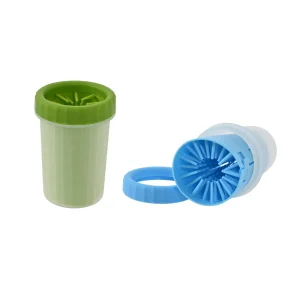
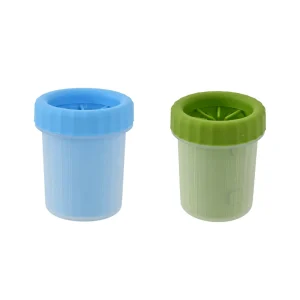
  • paw cleaning products;
  • pet wipes;
  • winter grooming supplies.
It does not justify promising that a dog paw protector pad will completely prevent frostbite, burns, slipping, or chemical exposure.
The phrase dog paw protection is more defensible than making an absolute medical claim.
Retailers should also remember that fit determines whether many paw products are actually usable. A dog boot that repeatedly falls off is unlikely to become a repeat-purchase product no matter how attractive it looks on a shelf.
 

Winter Grooming Is About Skin, Coat, Moisture, and Clean-Up

Winter can create a different grooming routine.
ASPCA notes that frequent movement between cold outdoor air and heated indoor environments can contribute to dry or flaky skin, and recommends drying pets carefully after walks while checking paws for snow, salt, chemicals, redness, or cracks.
That makes several ordinary grooming products more relevant during winter:
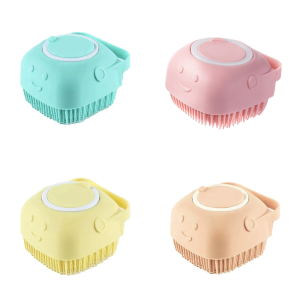
  • grooming brushes;
  • absorbent pet towels;
  • paw wipes;
  • moisturizing products when appropriately formulated;
  • paw-cleaning accessories;
  • nail care products.
This is also where informational searches such as “can you trim cat’s nails?” can be useful.
A retailer can answer the question educationally and then connect the reader to appropriate grooming tools. The content should explain the task first rather than turning every informational question into an advertisement.
For groomers and mobile pet groomers, winter assortment planning can also include products they routinely use professionally rather than only items they resell.
 

Indoor Toys Become More Relevant When Outdoor Activity Is Limited

Cold weather often changes the amount or type of activity pets receive outdoors.
AAHA recommends indoor enrichment activities for dogs during cold weather, including scent-based activities, food-related enrichment, and training games. Enrichment supports mental and physical stimulation and can help reduce boredom when pets spend more time indoors.
That creates a logical winter merchandising opportunity for:
  • puzzle feeders;
  • treat-dispensing toys;
  • snuffle or scent activities;
  • durable indoor dog toys;
  • interactive cat toys;
  • cat kicker toys;
  • cat toy wands.
The important distinction is that these products are winter-relevant, not necessarily winter-exclusive.

Indoor Enrichment vs Seasonal Winter Products

Product Winter Relevance Seasonality Risk
Puzzle feeder High Very low
Cat wand Medium–High Very low
Kicker toy Medium–High Very low
Indoor chew toy Medium Very low
Snow-specific dog toy High in snow markets High
Christmas-themed toy High for gifting Very high
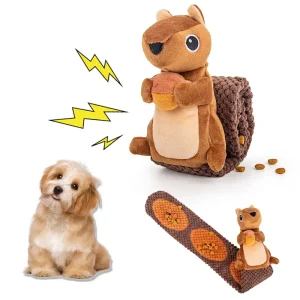
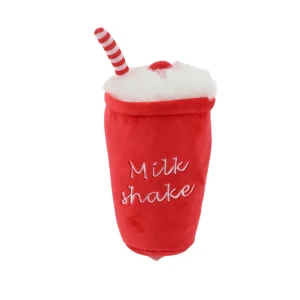
Interactive Squeaky Plush Squirrel Dog Chew Toy
For a small pet store with limited cash, I would generally favor a puzzle feeder over a novelty snow toy.
Why?
Because if winter demand is weaker than expected, the puzzle feeder still has a year-round reason to stay on the shelf.

What About Dog Toys for Snow?

Snow toys represent a narrower intent.
A customer searching snow toys for dogs or best dog toys for snowy conditions is usually looking for something visible, durable, retrievable, and suitable for outdoor use.
Retailers should consider:
  • visibility against snow;
  • water resistance;
  • ease of gripping;
  • material durability in cold conditions;
  • whether the toy can be cleaned;
  • size relative to the dog.
But these products deserve shallower inventory than year-round enrichment toys unless the store serves a consistently snowy market.
A retailer in Minnesota and a retailer in Southern California should not build the same winter toy assortment.
That sounds obvious, but it is one of the biggest weaknesses of generic seasonal buying guides: they assume “winter” is one climate.
 

Rabbit Beds and Small-Animal Hideouts Deserve Their Own Winter Strategy

Winter is a major challenge for small animals as well, and this is where a broader pet retailer can differentiate itself from dog-and-cat-only stores.
RSPCA says outdoor rabbits need a secure, warm, dry, well-ventilated, protected environment in colder months, along with appropriate bedding and sheltered areas. It recommends more attention to wet bedding, drafts, frozen water, housing insulation, and protected hiding areas.
RSPCA also gives an ideal domestic-rabbit temperature range of around 10°C to 20°C (50°F to 68°F) and advises owners to consider more protected accommodation when temperatures approach freezing.
That provides a useful framework for retailers selling:
  • rabbit bed products;
  • bunny bed products;
  • small animal bed designs;
  • rabbit hideouts;
  • small animal hideouts;
  • sheltered sleeping boxes;
  • cage liners;
  • suitable bedding materials.
However, rabbit bed and rabbit bedding describe different purchase intents.
A rabbit bed can mean a sleeping mat or soft resting product. Rabbit bedding usually refers to substrate or material used on part of the enclosure floor or sleeping area.
Retail product naming should preserve that distinction.

Small-Animal Keyword Intent

Search Phrase Likely Intent
rabbit bed Resting product
bunny bed Soft bed / consumer product
rabbit bedding Cage substrate / sleeping material
small animal bed General resting product
rabbit hideout Shelter / hiding structure
guinea pig fleece liner Reusable enclosure liner
hamster house Enclosure shelter
small animal enclosure Habitat / housing

What Do Bunnies Like to Sleep On in Winter?

Rabbits need a dry, protected sleeping area and appropriate bedding rather than simply the softest-looking textile product.
RSPCA recommends dry, sheltered spaces and discusses suitable bedding including hay and straw over absorbent layers in certain outdoor housing situations. It also warns that rabbits may chew blankets, which can create intestinal blockage risks.
PDSA similarly recommends appropriate dry bedding and notes that rabbits may need extra bedding during winter.
For retailers, the implication is important:
Do not market every soft textile nest as suitable for every rabbit.
The product should be evaluated for:
  • chewing behavior;
  • loose fibers;
  • washability;
  • moisture retention;
  • enclosure placement;
  • species suitability.
This is a better answer to “what do bunnies like to sleep on?” than simply recommending a plush rabbit bed.

Guinea Pig Beds, Fleece Liners, and Hideouts

Guinea pigs also require special winter considerations.
PDSA advises that guinea pigs may need additional bedding in cold conditions and suggests moving outdoor animals into a warmer protected area such as a shed or unused garage when needed.
Blue Cross similarly recommends protecting guinea pig housing from wind, rain, snow, and sleet and supplying adequate dry bedding.
For retailers, winter-related guinea pig inventory can therefore include:
  • guinea pig beds;
  • guinea pig hideouts;
  • fleece liners;
  • snuggle sacks;
  • washable enclosure mats;
  • tunnels;
  • feeding accessories;
  • guinea pig cage accessories.
Again, not all of these products are “warming products.”
A hay feeder is a feeding accessory. A tunnel is enrichment and shelter. A fleece liner is an enclosure-management product that may also improve comfort depending on its construction.
Being precise increases E-E-A-T.

Hamster Houses and Small-Animal Enclosures

Hamsters are typically indoor pets, so their winter needs are different from an outdoor rabbit’s.
For retailers, products such as a hamster house, hamster hideout, nesting accessories, enrichment toys, and suitable enclosure materials fit better into an indoor habitat category than a “snow protection” category.
That gives a multi-species retailer a natural merchandising structure:

Dogs

Outdoor protection + indoor comfort

Cats

Indoor comfort + vertical space + enrichment

Rabbits

Housing protection + dry bedding + shelter + enrichment

Guinea pigs

Bedding + hideouts + stable indoor housing

Hamsters

Enclosure + hideouts + nesting + enrichment
The common winter theme is not simply warmth. It is environmental protection and appropriate indoor living.

What Should Pet Stores Actually Stock First?

If a small retailer cannot stock everything, I would rank winter inventory by a combination of demand breadth, seasonality risk, storage burden, and year-round usefulness.

Winter Inventory Priority Matrix

Category Winter Need Year-Round Use Inventory Risk Suggested Priority
Cozy dog/cat beds High High Medium ★★★★★
Indoor enrichment toys High Very high Low ★★★★★
Dog coats/sweaters High in cold areas Medium Medium–High ★★★★☆
Paw protection High in snow/salt markets Medium Medium ★★★★☆
Cat trees/scratch furniture Medium Very high Medium ★★★★☆
Rabbit/guinea pig bedding High for relevant owners High Low–Medium ★★★★☆
Small-animal hideouts Medium Very high Low ★★★★☆
Dog snowsuits High but narrow Low High ★★★☆☆
Holiday dog beds Seasonal Low High ★★☆☆☆
Snow-specific toys Climate-specific Low High ★★☆☆☆
The highest-priority products are not necessarily the most “winter-looking.”
That is intentional.
For small businesses, sell-through after January matters almost as much as peak-season demand.
 

How Much Winter Inventory Should a Small Pet Store Order?

There is no universal answer such as “buy 30% more winter stock.”
A small retailer should instead divide winter SKUs into three groups.

A. Core Winter-Relevant Products

Examples:
  • cozy pet beds;
  • indoor toys;
  • grooming products;
  • cat furniture;
  • small-animal hideouts.
These retain value after winter and can justify deeper inventory.

B. Climate-Dependent Products

Examples:
  • dog coats;
  • paw protection;
  • waterproof jackets;
  • winter walking gear.
Depth should depend on local weather and historic demand.

C. Highly Seasonal Products

Examples:
  • Christmas dog beds;
  • snow-themed apparel;
  • novelty winter bandanas;
  • highly specialized dog snow suits.
These should generally start with shallower inventory because markdown risk is higher.
A simple inventory planning framework is:
Expected weekly demand × replenishment lead time + safety stock = reorder trigger
If a retailer typically sells 8 winter coats per week, replenishment requires 3 weeks, and the store wants 8 additional units as safety stock:
8 × 3 + 8 = 32 units
The store should consider reordering when its usable inventory position approaches roughly 32 units.
This is an illustrative inventory-management example—not a forecast of actual dog-coat sales.

When Should Pet Stores Order Winter Inventory?

The answer should be worked backward from the selling window.
NOAA’s Climate Prediction Center issues monthly and seasonal climate outlooks, including outlooks covering the 2026–27 winter. Its September 2026 discussion also reported strengthening El Niño conditions and probabilities for regional temperature patterns, but these are probabilistic climate outlooks rather than guarantees of snowfall or cold at a specific store location.
For retailers, climate forecasts are best used as one signal among several.

Practical Winter Buying Timeline

Period Retail Action
August–September Review last year’s SKU performance and supplier lead times
September–October Place initial winter buys; build size depth
October–November Merchandise products and monitor local weather
First sustained cold period Replenish proven products
November–December Combine winter utility with holiday gifting
January Replenish evergreen winter items selectively
February onward Reduce highly seasonal exposure
The actual timeline must move earlier when supplier lead times are longer.
That is the biggest difference between consumers and retailers:
Customers react to weather. Retailers must anticipate it.
 

How Can Retailers Avoid Winter Inventory Leftovers?

The best protection is not forecasting perfection.
It is choosing products with multiple reasons to buy.
For example:
High carryover value
  • cozy dog beds;
  • cat condos;
  • scratching posts;
  • puzzle feeders;
  • rabbit hideouts;
  • guinea pig cage accessories.
Medium carryover value
  • waterproof dog jackets;
  • pet blankets;
  • paw-care products;
  • grooming accessories.
Low carryover value
  • Christmas dog beds;
  • snowflake bandanas;
  • extremely heavy snow suits;
  • seasonal-print products.
A small retailer should therefore create a winter assortment with a strong evergreen base and a smaller seasonal layer.
I would rather see an independent pet shop sell out of one novelty winter design than carry six boxes of it into April.
 

What About Winter Dog Collars and Bandanas?

Winter collars and bandanas are primarily style and seasonal-merchandising products, not insulation products.
A collar does not meaningfully keep a dog warm.
Retailers should therefore describe winter dog collars in terms of:
  • seasonal colors and patterns;
  • visibility;
  • durability;
  • weather-resistant materials where applicable;
  • adjustable sizing;
  • comfort.
Similarly, a winter bandana is an accessory. Customers searching “What are the best materials for winter dog bandanas?” may appreciate soft, comfortable, washable materials, but retailers should not describe the bandana as cold-weather protection unless the product was specifically designed and validated for that function.
This distinction keeps merchandising honest.

How Should Retailers Choose Winter Dog Toys?

There is no single “best brand” that every pet store needs.
Retailers should instead evaluate toys using product-level criteria:
  1. appropriate size for the target dog;
  2. durability appropriate to intended use;
  3. visibility in the intended environment;
  4. non-obstructive shape;
  5. cleanability;
  6. realistic safety instructions;
  7. replacement frequency;
  8. margin and shipping economics.
For snowy areas, brightly visible outdoor toys may make sense.
For most retailers, however, indoor enrichment toys have greater year-round inventory value.
 

Where Can Retailers Source Wholesale Winter Pet Supplies?

A good wholesale source should make product comparison easy before requiring a large inventory commitment.
Retail buyers should compare suppliers on:
Question Why It Matters
What is the unit/carton quantity? Determines cash commitment
Which sizes are available? Critical for beds and apparel
What materials are used? Affects durability and safety
What are packed dimensions and weight? Determines freight economics
Is the product seasonal or evergreen? Affects markdown risk
How quickly can it be reordered? Determines safety-stock needs
Is there product documentation? Supports accurate listings
Can multiple categories be sourced together? Simplifies purchasing
Petfairs is designed as an online wholesale pet-supply sourcing platform serving professional buyers across multiple pet categories, including dog, cat, and small-animal products.
For a Pet Boutique, marketplace reseller, groomer, online pet seller, subscription-box business, or new pet store, the more useful question is not simply:
“Who sells winter pet products?”
It is:
“Can I build a winter assortment across several categories without creating excessive inventory risk?”
That is where multi-category sourcing becomes meaningful.

Final Takeaway: Stock for Problems, Not Just the Season

Winter is a challenge for many animals, but the challenge is different for every species.
A Chihuahua walking on a salted sidewalk does not have the same winter need as an indoor cat climbing a cat tree. A rabbit living in protected outdoor housing has different requirements from an indoor hamster. A Golden Retriever may need a completely different coat, bed, or outdoor routine from a toy breed.
Retailers should build winter inventory around those differences.
The most resilient strategy is to start with products that solve clear problems and remain useful after the coldest weeks have passed:
warm beds, indoor enrichment, practical grooming, functional dog apparel, paw protection, cat furniture, and well-chosen small-animal housing and bedding.
Then add a smaller layer of weather-specific and seasonal products based on local climate and customer history.
For consumers, winter shopping can begin when temperatures drop.
For retailers, that is already late.
The real winter opportunity is won earlier—when assortment, sizes, inventory depth, reorder timing, and supplier strategy are planned before the first cold-weather rush begins.

Sources and Methodology

This guide uses publicly available information from the American Pet Products Association (APPA), ASPCA, AAHA, VCA Animal Hospitals, NOAA Climate Prediction Center, RSPCA, PDSA, Blue Cross, and American Kennel Club. Market figures are identified as actual or projected where appropriate. Veterinary and animal-welfare sources are used to establish cold-weather needs and safety considerations; they are not treated as evidence that a particular retail SKU will sell. Product and inventory priorities are editorial B2B recommendations rather than claimed 2026 sales rankings.
Aria

Petfairs Writer Introduction:

Hi, I’m Aria—an animal lover rooted in Minnesota with 11 years of hands-on pet parenting experience. Raised in a small town here, I’ve spent years helping neighbors train their cats and dogs, from correcting basic behaviors to fostering better human-pet bonds. Beyond caring for my own furry companions, I’m passionate about rescuing stray animals, dedicating time to their care and rehoming. With a deep understanding of what pets (and their owners) need, I’m here to share practical insights, tailored to Minnesota’s climate and pet owners’ daily lives—all backed by my years of real-world pet care experience.


FAQ

What pet products sell well in winter?
There is no reliable universal 2026 ranking that proves one winter product category outsells all others. Retailers should instead focus on products connected to recognizable cold-weather needs: warm bedding, winter dog clothing, paw protection, indoor enrichment, grooming and cleaning products, plus appropriate small-animal housing and bedding.
A balanced assortment can include cozy dog beds, cat beds, cat furniture, dog coats, paw-care products, indoor toys, grooming products, rabbit beds or shelters, guinea pig bedding and hideouts, and small-animal cage accessories.
Keep dogs indoors during extreme cold, provide dry bedding away from drafts, limit exposure according to the dog’s individual tolerance, and consider suitable clothing for dogs that need additional insulation.
A dry, comfortable bed away from cold floors and drafts is a practical starting point. VCA and ASPCA both recommend warm sleeping areas during cold weather.
For dogs that must spend time in outdoor shelter, VCA lists straw among possible insulating bedding materials and stresses that the doghouse should be insulated, raised from moisture, protected from wind, and supplied with clean, dry bedding. The broader priority is proper shelter and limiting unsupervised cold exposure rather than treating bedding as a substitute for protection.
Depending on climate and the individual dog, useful accessories can include coats, waterproof jackets, booties, paw-care items, towels, reflective walking products, and suitable winter bedding.
There is no universally best bed. Look for insulation from a cold floor, appropriate size, washable construction, durability, and a comfortable sleeping surface. Older or mobility-limited dogs may have different support requirements than young dogs.
No. Small, short-haired, older, or cold-sensitive dogs may benefit more than thick-coated cold-weather breeds. Fit, activity, moisture, wind, and duration outdoors all matter.
Rabbits need clean, dry, species-appropriate bedding and a draft-free environment. RSPCA and PDSA recommend appropriate dry bedding and emphasize avoiding damp housing; outdoor rabbits may require additional bedding and shelter in cold weather.
They may. PDSA recommends extra bedding during colder conditions and emphasizes protecting guinea pigs from cold drafts and severe weather.
Useful categories include species-appropriate bedding, hideouts, washable cage liners, sheltered resting products, hay feeders, enrichment toys, water accessories, and cage-management products. Feeding products should be marketed as daily husbandry items rather than as warming products.
Puzzle feeders, dog enrichment toys, cat wand toys, scratching posts, cat trees, cozy beds, hideouts, and species-appropriate small-animal enrichment all retain usefulness even after winter ends.
Work backward from the first likely cold-weather selling window and add supplier lead time, receiving time, merchandising time, and safety stock. Stores with long replenishment cycles must buy earlier than stores supplied from nearby inventory.

Related Blog

Winter Pet Supplies 2026 Retail Stocking Guide

Winter Pet Supplies 2026: What Should Retailers Stock Before the Cold Weather?

Explore winter pet supplies for dogs, cats, and small pets. See what retailers should stock, when to reorder, and how to plan winter inventory.
Neighborhood Pet Store Day 2026 Why Local Pet Retail Still Matters in an Online World

Neighborhood Pet Store Day 2026: Why Local Pet Retail Still Matters in an Online World

Explore Neighborhood Pet Store Day 2026 trends, and learn why local independent pet retail remains irreplaceable amid online shopping. Get 2026 US pet industry data, store operation & inventory strategies for local pet businesses.
pet retail trends 2026

Not Attending SUPERZOO 2026? Source 2026 Trending Pet Bestsellers Online

Skipping SUPERZOO 2026? Discover pet retail trends, compare sourcing options, test products with low MOQs, and find your next bestseller online.

Table of Contents

Leave a Reply

Your email address will not be published. Required fields are marked *

You May Also Like

us.petfairs

SHIPPED FROM U.S LOCAL WAREHOUSE

Register to Unlock

Wholesale Prices

$10 Off for New Buyers : 6YPYU5KC

✓ Factory-Direct Pricing on Pet Supplies

✓ Low MOQ: Only 1 Carton

✓ Free Nationwide Shipping

Having trouble finding
what you need?

Please select the problem you’re experiencing: