| Event year | Reported retailer participation | What changed |
| 2023 | About 700 stores | First Neighborhood Pet Store Day |
| 2024 | More than 1,200 stores | Organizer reported roughly 77% participation growth |
| 2025 | Nearly 2,000 stores | Participation expanded further |
| 2026 | Sept. 25–27 weekend; Sept. 26 main day | Event expands beyond a single-day format |
| Reported primary sales driver | Share of PETS+ respondents |
| Customer experience | 47% |
| Knowledgeable sales team | 30% |
| Product lineup | 11% |
| Competitive pricing | 9% |
| Loyalty programs | 2% |
| Coupons and deals | 1% |
| Channel | Strongest role | Typical customer need | Main limitation |
| E-commerce | Planned convenience and broad comparison | “I know what I need and can wait for delivery.” | Delivery time separates purchase from use |
| Neighborhood pet store | Immediate access, advice and service | “I need this today” or “I need help choosing.” | Physical shelf and storage space are limited |
| Wholesale sourcing platform | Product discovery, business sourcing and replenishment | “What should my business stock or reorder?” | Does not replace local last-mile availability unless specifically offered |
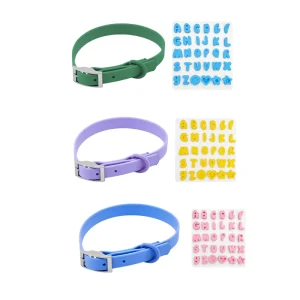
Silicone Dog Collar for Small Dogs, Size S offers a...
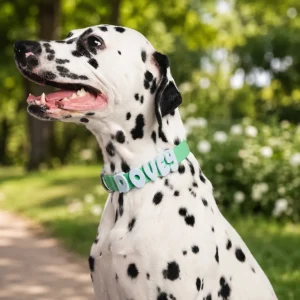
Silicone Dog Collar for Small Dogs, Size S offers a...
| Inventory approach | Share of respondents |
| Buy what fits on the shelf — no storage | 28% |
| Buy what fits on the shelf — insufficient funds to buy deeper | 22% |
| Buy roughly 2–3 months of expected sales | 43% |
| Buy roughly 6 months | 6% |
| Buy roughly 1 year | 1% |
| Customer situation | Immediate need | Possible product direction | Retail opportunity |
| New puppy comes home | Basic setup | Bowls, collar/harness, leash, toys, cleanup supplies | Starter bundle |
| Food unexpectedly runs out | Immediate replenishment | Core food or feeding essentials | Repeat purchase |
| Dog pulls on walks | Better control | Suitable walking equipment + guidance | Product + education |
| Grooming appointment | Coat maintenance | Brushes, combs, shampoos, aftercare | Service-to-retail cross-sell |
| Road trip tomorrow | Travel readiness | Portable bowls, travel accessories, cleanup products | Occasion-based bundle |
| Cat appears bored indoors | Enrichment | Interactive toys, scratchers, puzzle products | Education-led discovery |
| Rabbit or guinea pig setup | Species-specific care | Hay accessories, enrichment, habitat products | Specialist assortment |
| New adoption | Many needs at once | Essential setup products | Rescue/store partnership |
| Service offered by surveyed stores with services | Share |
| Grooming | 59% |
| Self-wash | 37% |
| Boarding | 22% |
| Daycare | 22% |
| Training | 21% |
| Dog walking/pet sitting | 7% |
| Veterinary care | 7% |
| Question | What to verify |
| Is the store close enough? | Current map/distance |
| Does it carry my pet category? | Website, phone call or recent listing |
| Is the item in stock? | Call or check live inventory if available |
| Does it provide the service I need? | Current service menu |
| Is it trusted? | Recent reviews across more than one source |
| Is it open today? | Current business hours |
| Are promotions active? | Official store website/app/social account |
| Challenge | Weak response | Stronger practical response |
| Online price competition | Discount everything | Add expertise, service and differentiated assortment |
| Limited shelf space | Add more SKUs | Improve SKU productivity |
| Slow-moving inventory | Wait and hope | Test smaller quantities and measure sell-through |
| Customer needs item today | Apologize for stockout | Protect availability of proven essentials |
| Low awareness | Run discounts only | Improve local search + community presence |
| New product uncertainty | Make a large opening buy | Test → learn → replenish |
| Service customer leaves after appointment | No retail connection | Offer relevant aftercare products |
| Seasonal traffic spike | Overstock seasonal items | Mix seasonal discovery with year-round essentials |
| Stage | Core question | Inventory risk |
| Discover | Does this solve a real customer need? | Buying because of hype |
| Test | What is the smallest useful test? | Overcommitting cash |
| Learn | What did customers actually do? | Relying on assumptions |
| Replenish | Which proven SKUs need protection? | Stockouts |
| Expand | Which category deserves more depth? | Too many variants |
| Business type | Natural retail opportunity | Inventory emphasis |
| Groomer / salon | Coat care and aftercare | Brushes, combs, grooming-related essentials |
| Dog trainer | Training and walking | Rewards, treat pouches, leads, enrichment |
| Pet boutique | Discovery and gifting | Distinctive accessories, toys, lifestyle items |
| Physical pet store | Repeat local needs | Core essentials + curated discovery |
| Boarding/daycare | Convenience around stays | Treats, travel, enrichment, care products |
| Veterinary retail side | Professionally relevant care | Carefully selected appropriate products |
| Online pet seller | Search-driven assortment | Products with clear differentiation/content potential |
| Social commerce seller | Demonstrable products | Visually understandable, problem-solving items |
| Subscription-box seller | Repeat discovery | Compact, engaging, theme-friendly products |
| Breeder | Repeat operational needs | Practical care and setup supplies |
| Rescue/adoption organization | New-pet transition | Starter essentials and education |
| Exotic-pet specialist | Species-specific expertise | Habitat, enrichment and husbandry-related supplies |

Hi, I’m Aria—an animal lover rooted in Minnesota with 11 years of hands-on pet parenting experience. Raised in a small town here, I’ve spent years helping neighbors train their cats and dogs, from correcting basic behaviors to fostering better human-pet bonds. Beyond caring for my own furry companions, I’m passionate about rescuing stray animals, dedicating time to their care and rehoming. With a deep understanding of what pets (and their owners) need, I’m here to share practical insights, tailored to Minnesota’s climate and pet owners’ daily lives—all backed by my years of real-world pet care experience.

 Free 3-7 Day Delivery
 Get $10 off for First OrderFree 3-7 Day DeliveryGet $10 off for First OrderFree 3-7 Day DeliveryGet $10 off for First OrderFree 3-7 Day DeliveryGet $10 off for First OrderFree 3-7 Day DeliveryGet $10 off for First OrderFree 3-7 Day DeliveryGet $10 off for First OrderFree 3-7 Day DeliveryGet $10 off for First OrderFree 3-7 Day DeliveryGet $10 off for First OrderFree 3-7 Day DeliveryGet $10 off for First OrderFree 3-7 Day DeliveryGet $10 off for First Order
SHIPPED FROM U.S LOCAL WAREHOUSE
Register to Unlock
Wholesale Prices
$10 Off for New Buyers : 6YPYU5KC
✓ Factory-Direct Pricing on Pet Supplies
✓ Low MOQ: Only 1 Carton
✓ Free Nationwide Shipping
Having trouble finding
what you need?
Please select the problem you’re experiencing: