$10 Off for New Buyers with Code 6YPYU5KC | US Free Shipping | Start from 1 Carton
If your dog tends to gulp, bolt, or inhale food in seconds, choosing the right slow feeder bowl becomes more than a convenience — it’s a health decision.
 
But here’s the problem most buyers (and even pet store owners) run into:
👉 Not all slow feeder bowls actually slow dogs down
👉 Some are hard to clean, easy to flip, or simply too easy for smart dogs
 
This guide walks you through how to choose a slow feeder bowl based on real behavior, feeding scenarios, and practical use, not just product specs.


Why a Slow Feeder Bowl Matters (Beyond “Eating Slower”)

Fast eating in dogs is not just a bad habit — it is linked to real health risks. According to the American Kennel Club (AKC) and veterinary resources such as VCA Animal Hospitals, dogs that eat too quickly are more prone to:
  • Choking and gagging
  • Vomiting after meals
  • Poor nutrient absorption
  • Increased risk of bloat (Gastric Dilatation-Volvulus, GDV) in large breeds
Veterinary guidance suggests that slowing down food intake can help reduce air swallowing and digestive stress. While a slow feeder bowl is not a guaranteed medical solution, it is widely recommended as part of feeding management strategies for fast eaters.
 
Fast eaters often show behaviors like:
  • Gulping or inhaling food
  • Choking or coughing during meals
  • Vomiting right after eating
  • Constant hunger due to poor digestion
 
Research and veterinary guidance suggest slowing down eating can help reduce bloating risk and digestive stress, especially in medium and large breeds.
For many pet owners, the goal isn’t just slower eating — it’s:
  • Choking prevention
  • Weight management
  • Reducing anxiety during feeding


What Research and Experts Say About Eating Speed

Several veterinary and animal nutrition sources indicate that feeding speed directly impacts digestion efficiency and gastrointestinal comfort.
For example:
  • Studies referenced by veterinary clinics (e.g., VCA) show that slower feeding reduces regurgitation and improves digestion
  • The AKC notes that slow feeding tools can help dogs eat up to several times slower, depending on design complexity
This is why slow feeder bowls are often recommended by:
  • Veterinarians
  • Dog trainers
  • Animal behavior specialists


Material Safety (What Experts Recommend)

When choosing a slow feeder bowl, material safety is critical.
The U.S. Food & Drug Administration (FDA) recommends using food-grade, BPA-free materials for pet feeding products. Poor-quality plastics may degrade over time, especially if scratched or chewed.
Best practice:
  • Use BPA-free plastic for affordability
  • Use stainless steel for hygiene and durability
  • Avoid damaged or heavily chewed bowls

Step 1: Match the Bowl to Your Dog’s Eating Behavior

This is where most people choose wrong.


For Fast Eaters (Gulping / Bolting Dogs)

Look for:
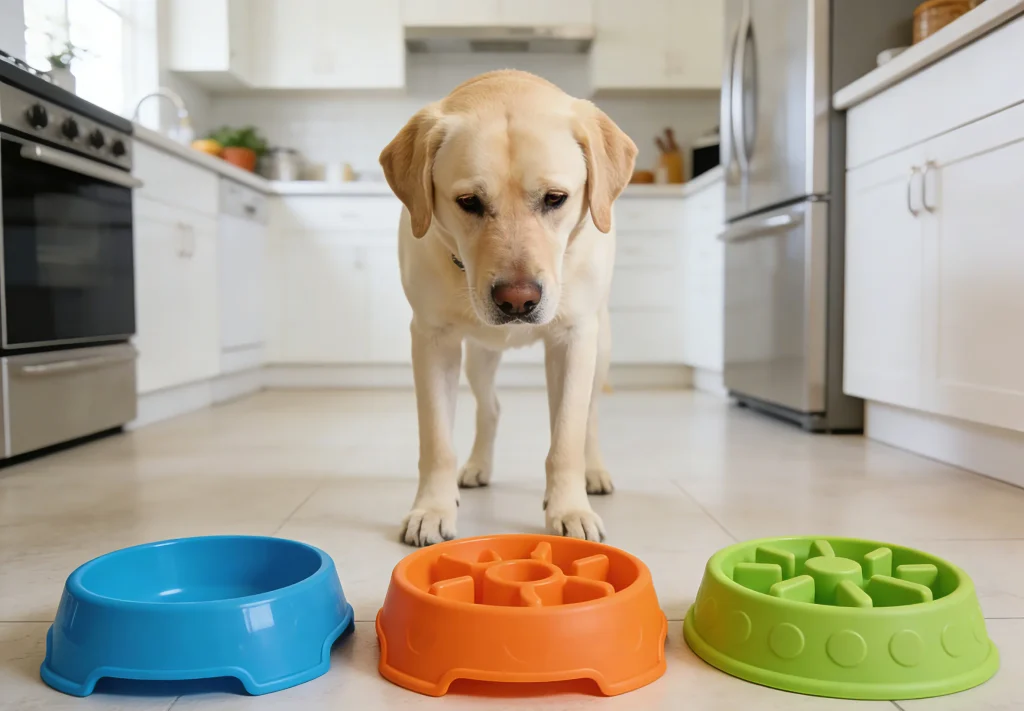
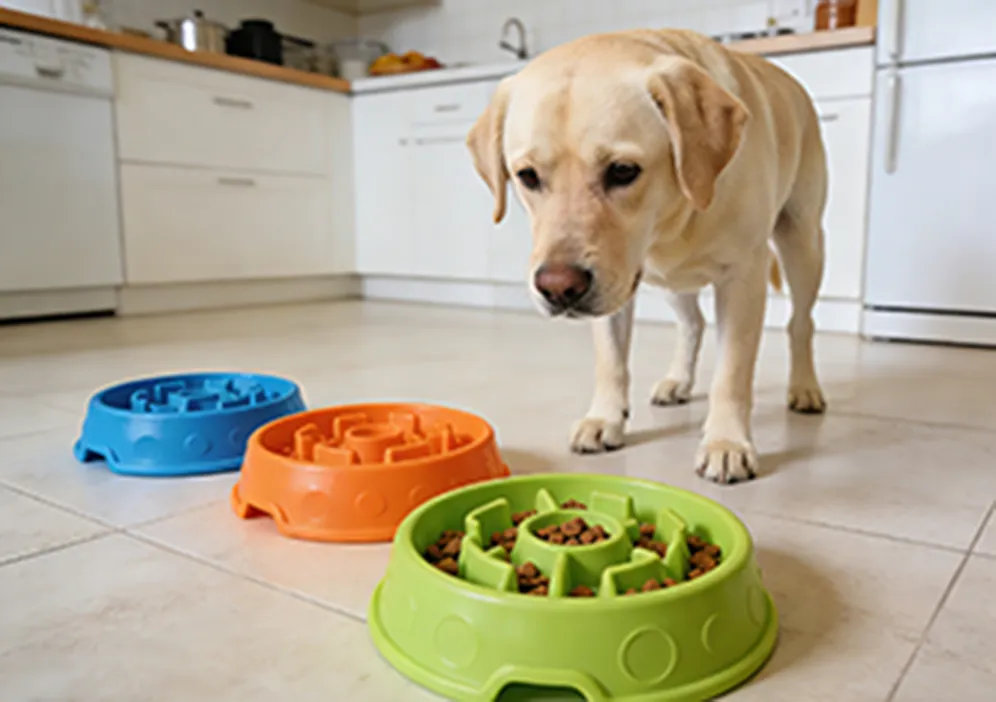
  • Deep maze patterns
  • Narrow channels
  • Multi-obstacle designs
👉 Keywords covered: fast eater dog bowl, anti-gulping slow feeder


For Messy Eaters

If food ends up all over the floor:
  • Choose spill-proof slow feeder bowls
  • Wide base + raised edges
  • Non-slip or suction bottom
👉 Keywords: mess-free slow feeder, non-slip dog bowl


For Aggressive Chewers

Some dogs chew the bowl itself.
  • Avoid thin plastic
  • Use heavy-duty or stainless steel slow feeders
  • Thick silicone is a safer alternative
👉 Keywords: indestructible slow feeder, metal slow feeder
 

Step 2: Choose the Right Feeding Scenario

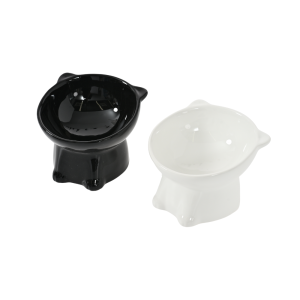
Elevated Slow Feeder (For Medium & Large Dogs)

Raised bowls reduce neck strain and improve posture.
Best for:
  • Large breeds
  • Senior dogs
  • Dogs with joint issues
👉 Keywords: elevated slow feeder, adjustable height dog bowl


Travel & Portable Use

For outdoor, grooming vans, or mobile businesses:
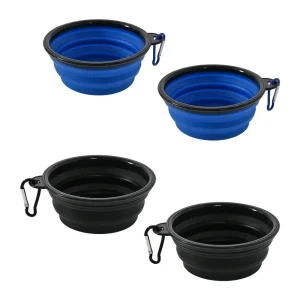
  • Collapsible silicone slow feeders
  • Lightweight + easy to pack
👉 Keywords: portable slow feeder, travel dog bowl


Behavioral Insight from Trainers

Professional dog trainers often point out that feeding is not just nutrition — it’s also mental stimulation.
According to canine behavior experts, enrichment feeding (including slow feeders and puzzle feeders) can help:
  • Reduce anxiety
  • Prevent boredom
  • Lower destructive behaviors
This is why advanced slow feeders or puzzle-style bowls are often recommended for high-intelligence breeds.
 

Wet Food vs Dry Food Compatibility

This is a major complaint online.
  • Many maze bowls trap wet food → hard to clean
  • Look for:
    • Smooth curves
    • Dishwasher-safe design
👉 Keywords: slow feeder for wet dog food, easy clean slow feeder


Step 3: Material Impacts Safety, Hygiene & Resale Value

MaterialBest Use CaseKey AdvantageRisk
BPA-free PlasticMass marketAffordableCan be chewed
Stainless SteelClinics / strong dogsDurable & hygienicLimited designs
SiliconeTravel / safe chewingSoft & flexibleLess structure
CeramicPremium retailHeavy & stableBreakable


slow dog feeder bowls

Most Common Buyers of Wholesale Pet Supplies

Buyer TypeTypical Products Purchased
Groomersbrushes, shampoos, grooming wipes
Veterinary Clinicsrecovery collars, hygiene products
Dog Trainerstraining toys, tug ropes
Pet E-commerce Sellerslightweight toys and accessories
Pet Adoption Groupsaffordable everyday pet supplies
👉 Insight: Most successful products combine plastic structure + anti-slip base

Step 4: Consider Intelligence Level (Yes, It Matters)

One common complaint from Reddit and trainers:
“My dog figured it out in 2 days.”
For smart breeds (Border Collies, German Shepherds):
  • Start with Level 1 → move to Level 3 difficulty
  • Combine with puzzle feeders or snuffle mats
 
👉 Keywords:
  • advanced slow feeder for smart dogs
  • dog puzzle feeder vs slow feeder


Step 5: Prevent Common Frustrations


Problem: Dog Flips the Bowl

Solution:
  • Suction cup base
  • Weighted bottom
  • Wider footprint


Problem: Hard to Clean (Especially Wet Food)

Solution:
  • Dishwasher-safe
  • Rounded grooves
  • Avoid overly complex maze for daily use


Problem: Short-Nosed (Flat-Face) Dogs Can’t Reach Food

Breeds like:
  • French Bulldogs
  • Pugs
 
Need:
  • Shallow slow feeder design
  • Wide spacing


👉 Keywords: slow feeder for brachycephalic breeds


Slow Feeder Bowl vs Alternatives (What’s Better?)

OptionBest ForProsCons
Slow Feeder BowlDaily feedingEasy to useLimited challenge
Puzzle FeederSmart dogsMental stimulationSlower feeding process
Snuffle MatAnxiety reliefNatural foragingMessy
DIY (Tennis ball / muffin tin)Temporary solutionLow costSafety risks
Insight: DIY methods are popular in search, but not reliable or safe for long-term use — making professional products easier to justify.

Does a Slow Feeder Bowl Prevent Bloat ?

This is one of the most searched questions.
Short answer:
It helps, but it’s not a guaranteed prevention tool.
This is one of the most common and important questions.
According to veterinary organizations such as the American Veterinary Medical Association (AVMA), GDV (bloat) is a complex condition influenced by multiple factors including breed, genetics, feeding speed, and activity levels.
Slowing down eating may help reduce:
 
  • Excessive air intake
  • Rapid stomach expansion
 
However, no feeding tool — including a slow feeder bowl — can fully prevent GDV on its own. It should be used as part of a broader prevention approach that includes:
 
  • Controlled feeding portions
  • Avoiding vigorous exercise after meals
  • Monitoring high-risk breeds
 
Slower eating reduces:
  • Air intake
  • Rapid stomach expansion
 
But GDV risk also depends on:
  • Breed
  • Genetics
  • Exercise timing


How Petfairs Helps You Source the Right Slow Feeder Bowl

At Petfairs, we operate as a global online wholesale pet supply platform, supporting both:
  • Small businesses (pet shops, groomers, resellers)
  • Large-scale buyers and e-commerce sellers
We provide:
  • Multi-design slow feeder bowls (basic → advanced levels)
  • Custom materials (plastic, silicone, stainless steel)
  • Low MOQ for new sellers
  • Private label & branding support
  • Global shipping (US, Europe, Australia, etc.)
Our clients include:
  • Pet groomers & mobile grooming services
  • Veterinary clinics (retail)
  • Pet boutiques & physical stores
  • E-commerce & social sellers
  • Subscription box businesses


References

  • American Kennel Club (AKC) – Why Dogs Eat Too Fast and How to Slow Them Down
  • American Veterinary Medical Association (AVMA) – Gastric Dilatation-Volvulus (GDV) in Dogs
  • VCA Animal Hospitals – Bloat in Dogs: Causes, Symptoms, and Prevention
  • U.S. Food & Drug Administration (FDA) – Food Safety for Pet Products
  • American College of Veterinary Surgeons (ACVS) – Gastric Dilatation-Volvulus Overview
  • PetMD – Benefits of Slow Feeder Bowls for Dogs

FAQ

What is the best slow feeder bowl for fast eaters?

Look for deep maze designs with narrow channels to effectively slow down gulping behavior.


Are slow feeder bowls safe for dog teeth?

Yes, but softer materials like silicone are better for aggressive chewers than hard plastic.


Can slow feeder bowls be used for wet food?

Yes, but choose easy-to-clean designs with smooth curves to prevent food buildup.


What if my dog flips the slow feeder bowl?

Use a bowl with suction cups, a non-slip base, or a heavier structure.


Are slow feeder bowls suitable for puppies?

Yes, but start with simpler patterns to avoid frustration.


What’s better: slow feeder bowl or puzzle feeder?

Slow feeders are better for daily meals; puzzle feeders provide more mental stimulation.


Do slow feeder bowls help with weight control?

Yes, slower eating improves satiety and portion control.


Are slow feeders good for flat-faced dogs?

Only shallow, wide designs work well for brachycephalic breeds like pugs or bulldogs.


How do I clean a slow feeder bowl easily?

Choose dishwasher-safe bowls with rounded grooves and avoid overly complex designs.
Aria

Petfairs Writer Introduction:

Hi, I’m Aria—an animal lover rooted in Minnesota with 11 years of hands-on pet parenting experience. Raised in a small town here, I’ve spent years helping neighbors train their cats and dogs, from correcting basic behaviors to fostering better human-pet bonds. Beyond caring for my own furry companions, I’m passionate about rescuing stray animals, dedicating time to their care and rehoming. With a deep understanding of what pets (and their owners) need, I’m here to share practical insights, tailored to Minnesota’s climate and pet owners’ daily lives—all backed by my years of real-world pet care experience.
Related Blog

wholesale dog feeding storage & accessory supplies

What Pet Products Are Trending in 2026?

Pet products trending in 2026 cluster around smart automation, enrichment-first play, everyday comfort, DIY grooming, and safer travel. Industry spend continues rising, and search data shows strong momentum in GPS containment, AirTag collar accessories, lick mats, dog probiotics, and tofu cat litter. This guide maps demand scenarios to supplier keywords and shows how retailers can source fast-moving inventory through Petfairs.
slow feeder dog bowl

How to Choose a Slow Feeder Bowl ?

Learn how to choose the best slow feeder bowl based on dog behavior, materials, and feeding scenarios. Ideal for pet owners and wholesale buyers.
Pet Supplies Wholesale USA

Pet Supplies Wholesale USA: A Practical Guide for Groomers, Trainers, and Pet Businesses

Discover how U.S. pet supplies wholesale USA platforms simplify sourcing for groomers, trainers, and veterinary clinics. Learn about low MOQ, local warehouses, and trends in pet grooming supplies wholesale to boost your business efficiency and profitability.

Table of Contents

Leave a Reply

Your email address will not be published. Required fields are marked *

You May Also Like

us.petfairs

SHIPPED FROM U.S LOCAL WAREHOUSE

Register to Unlock

Wholesale Prices

$10 Off for New Buyers : 6YPYU5KC

✓ Factory-Direct Pricing on Pet Supplies

✓ Low MOQ: Only 1 Carton

✓ Free Nationwide Shipping

Having trouble finding
what you need?

Please select the problem you’re experiencing: