$10 Off for New Buyers with Code 6YPYU5KC | US Free Shipping | Start from 1 Carton
Living with cats in sunny Los Angeles, California, means endless cuddles, playful antics, and unfortunately, a fair share of laundry challenges. Whether you’re a busy pet groomer in the heart of LA dealing with fur-covered uniforms or a dedicated cat parent in a bustling household, you’ve likely asked yourself questions like “why is my cat peeing on my clothes” or “how to get cat hair off clothes in the dryer.” These issues aren’t just annoying—they can turn your washing routine into a nightmare. But fear not! In this comprehensive guide, we’ll dive deep into the science behind your cat’s behaviors, compare effective solutions for cat hair clothes removal, and share proven tips on how to get cat urine smell out of clothes. We’ll also highlight eco-friendly, plant-based products that make laundry day a breeze, drawing from veterinary insights and real-world pet owner experiences across the US.
 
As pet lovers ourselves, we know the struggle is real. From the beaches of Santa Monica to the hills of Hollywood, cat owners everywhere battle persistent fur and unexpected odors. Let’s break it down step by step, with practical advice backed by credible sources like veterinary hospitals and behavioral studies, to help you keep your wardrobe fresh and fur-free.
Cats Hair Remover for Laundry

Why Do Cats Pee on Clothes? Unpacking the Mystery

If you’ve ever wondered “why does my cat pee on my clothes” or “why did my cat pee on my clothes,” you’re not alone. This frustrating behavior affects countless cat households, and it’s often a mix of medical, behavioral, and environmental factors. According to experts from VCA Animal Hospitals, inappropriate elimination is the top behavioral complaint among cat owners. Here’s a numbered breakdown of the most common reasons, based on insights from veterinary sources like Atlantic Vet Seattle and Brown Veterinary Hospital:
 
  1. Medical Issues: Urinary tract infections (UTIs), bladder stones, or kidney problems can cause pain, leading cats to associate their litter box with discomfort. They might seek out soft, absorbent surfaces like your clothes instead. A study from the Journal of Veterinary Behavior notes that up to 30% of house-soiling cases stem from underlying health problems.
     
  2. Stress or Anxiety: Cats are sensitive creatures. Changes in routine, new pets, or even loud noises (think LA traffic or construction) can trigger stress-related marking. PrettyLitter’s blog explains that cats may urinate on your belongings to mingle their scent with yours, creating a sense of security in uncertain times.
     
  3. Territorial Marking: In multi-cat homes or areas with stray cats visible through windows, your feline might pee to claim territory. This is more common in unneutered cats, but even spayed ones can exhibit it under stress, as per insights from Village Center Veterinary.
     
  4. Litter Box Aversion: If the box is dirty, too small, or in a high-traffic area, cats may avoid it. Brown Vet Hospital highlights that preferences for textures—like the soft feel of laundry—can make clothes an appealing alternative.
     
  5. Preference for Comfort: Simply put, clothes are cozy and smell like you. Behavioral experts from Just Cats Clinic categorize this under aversion issues, where cats develop habits based on texture and familiarity.
     
If your cat is peeing on clothes regularly, consult a vet first to rule out medical causes. In Los Angeles, local clinics like those affiliated with the American Veterinary Medical Association (AVMA) recommend annual check-ups for early detection.

How to Get Cat Pee Smell Out of Clothes: Step-by-Step Solutions


Once you’ve addressed the “why do cats pee on clothes,” it’s time to tackle the aftermath. That lingering odor isn’t just unpleasant—it’s ammonia-based and can attract repeat offenses if not fully removed. Here’s how to get cat pee smell out of clothes effectively, using enzyme-based cleaners and natural remedies recommended by veterinary sources:

 
  • Step 1: Blot and Rinse Immediately. Absorb excess urine with paper towels, then rinse the item in cold water. Avoid hot water, as it can set the stain, per advice from VCA Hospitals.


  • Step 2: Use an Enzyme Cleaner. Products like Nature’s Miracle or Rocco & Roxie break down uric acid crystals. Soak the clothes for 15-30 minutes before washing. A review from the Journal of Applied Animal Welfare Science supports enzymatic cleaners for their efficacy in eliminating odors that cats can detect.


  • Step 3: Wash with Vinegar or Baking Soda. Add 1 cup of white vinegar to the wash cycle to neutralize smells. For stubborn cases, pre-treat with a baking soda paste. Brown Vet Hospital suggests this natural approach for sensitive fabrics.


  • Step 4: Air Dry and Check. Hang clothes outside in the California sun—UV rays help break down remaining odors. Sniff test before storing to ensure the smell is gone.


For prevention, use pheromone diffusers like Feliway, which reduce stress-related peeing by up to 90%, according to studies cited by PrettyLitter.
Why Do Cats Sleep on My Clothes? The Cozy Truth

 
Shifting gears from messes to mysteries: “why does my cat like to sleep on my clothes” or “why do cats sleep on my clothes”? This endearing habit is rooted in instinct and affection. Veterinary spokespeople from Excited Cats and Pets Best explain that cats use scent as a primary sense—your clothes carry your unique aroma, making them a comforting “security blanket.”
 
Here’s a quick list of reasons, drawn from behavioral analyses:
 
  1. Scent Comfort: Your smell reassures them, especially when you’re away. Kinship’s pet experts note cats associate it with safety.
     
  2. Warmth Seeking: Clothes retain body heat, and cats prefer spots 10-15 degrees warmer than room temperature, per iHeartCats.
     
  3. Territory Marking: By lounging, they leave their pheromones, claiming your items as theirs. Hervey Cats blog highlights this as a sign of love.
     
  4. Texture Preference: Soft fabrics mimic nesting spots in the wild, as explained in Floppycats’ guide.
     
  5. Curiosity and Privacy: Clothes piles offer hidden nooks, appealing to shy cats, according to Cat in a Flat.
     
Encourage alternatives like heated cat beds to redirect this behavior without frustration.
 

How to Get Cat Hair Out of Clothes: Comparing Top Methods

 
Cat hair clothes removal is a daily battle for pet owners. Whether it’s “how to get cat hair off clothes” or “get rid of cat hair on clothes,” we’ve compared popular techniques below. We’ll also spotlight plant-based innovations that align with eco-conscious lifestyles in eco-friendly Los Angeles.
 

Traditional vs. Modern Pet Hair Removal Methods: A Comparison Table

Method
Pros
Cons
Effectiveness Rating (1-10)
Lint Roller (e.g., Scotch-Brite)
Quick, portable
Disposable, wasteful
7
Rubber Gloves
Cheap, reusable
Manual effort
6
Dryer Sheets (e.g., Bounce Pet Hair Guard)
Reduces static in dryer
Chemical residue
8
White Vinegar Rinse
Natural, odor-neutralizing
Strong smell initially
7
Wool Dryer Balls (e.g., Smart Sheep)
Eco-friendly, softens clothes
Less effective on heavy fur
8
In-Wash Hair Catchers (e.g., FurZapper)
Traps hair during wash
May need multiple per load
9
Plant-Based Fabric Softener (e.g., US Petfairs’ Pet Hair Dissolving Line)
Removes 90% fur via anti-static plant extracts, vegan, cruelty-free
Higher upfront cost for wholesale
10
Data compiled from user reviews on Amazon and tips from Better Homes & Gardens, The Spruce Pets, and Good Housekeeping.
 
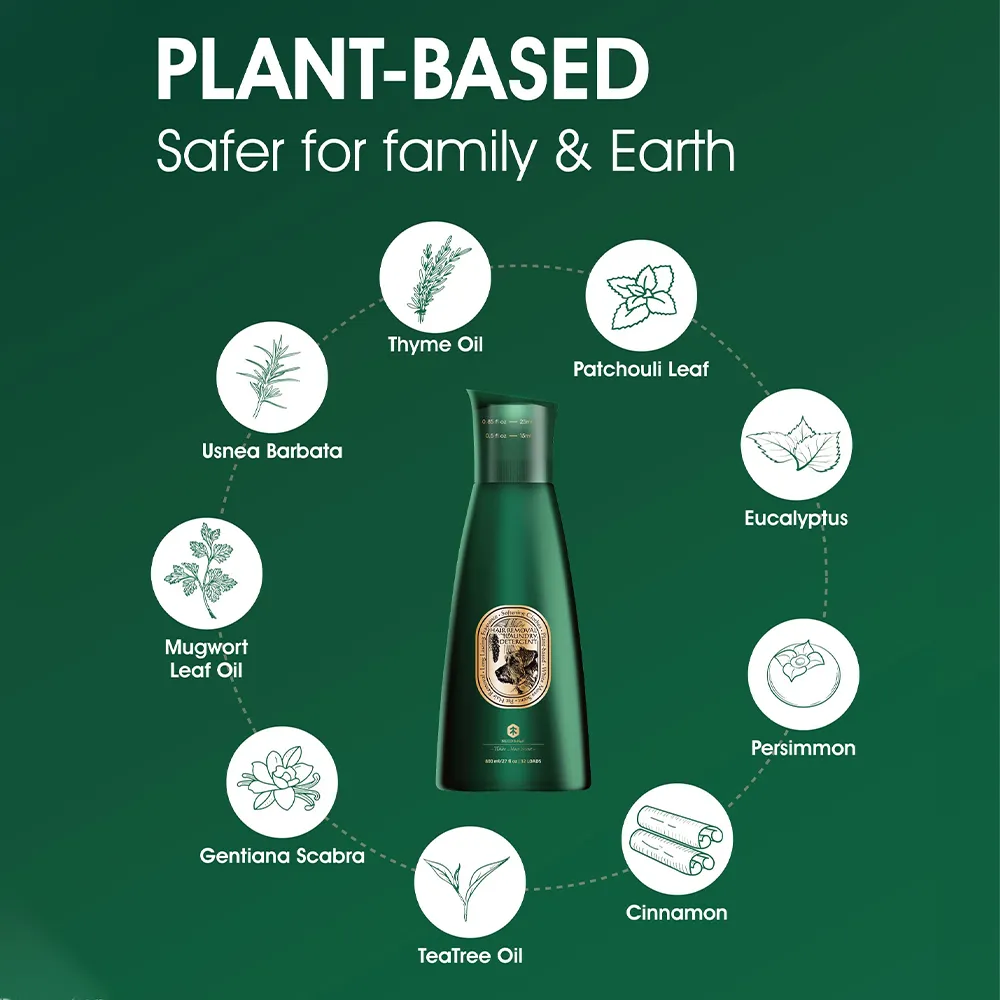
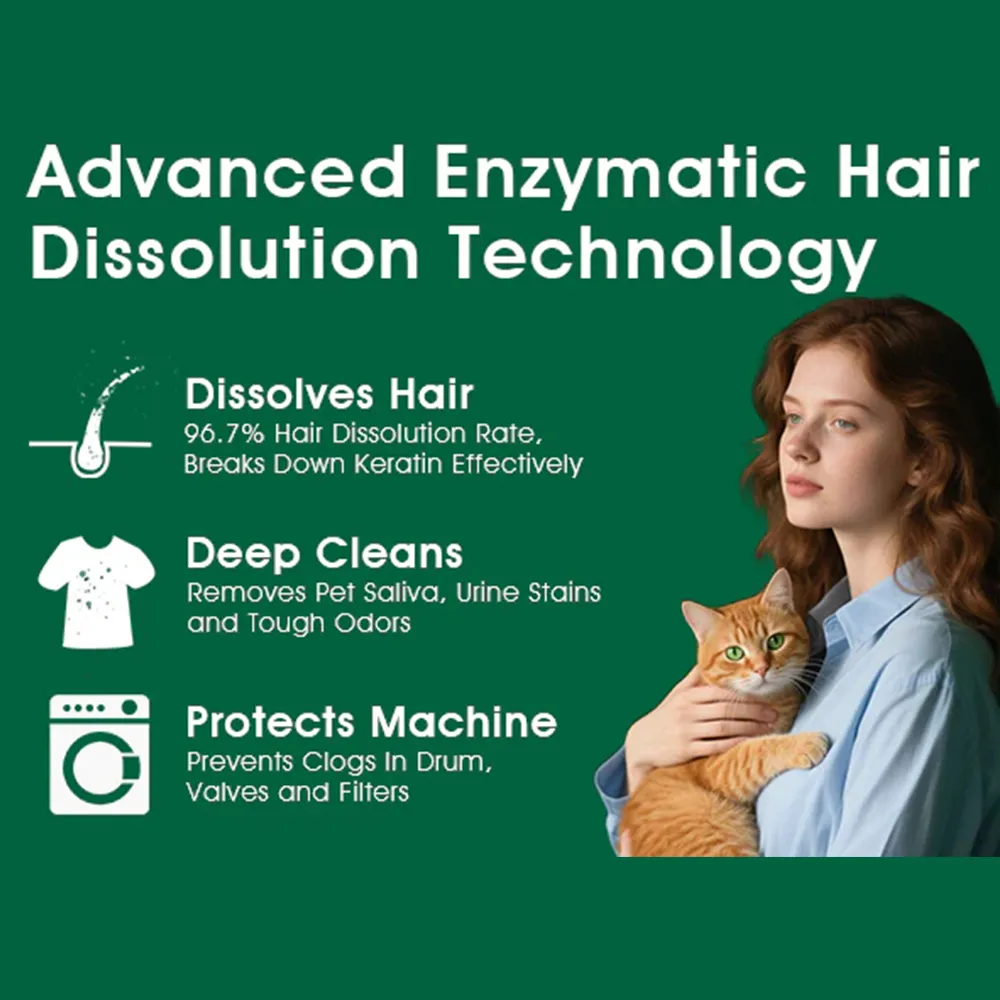
For the best results in removing cat fur from clothes, start with a 10-minute air-fluff dryer cycle to loosen hair, then wash with a plant-based softener. US Petfairs offers a line of liquid and powder options—27 fl oz for 32 loads—that use mineral and botanical ingredients to reduce static and flush away fur without harsh chemicals. Ideal for high-efficiency washers common in California homes, these products prevent fur buildup in machines too.
 
Compare this to traditional detergents: While effective, they often rely on synthetics that can irritate sensitive pet skin. Plant-based alternatives, like those from Walmart’s pet softener listings, are gaining traction for their sustainability. In a Reddit thread on lifehacks, users swear by pre-treating with vinegar for stubborn cat hair.

Tips for Pet Bedding and Wholesale Solutions

 
Don’t forget pet bedding! For “remove cat fur from clothes” extend to blankets and beds: Soak in adjustable doses—2 caps for small loads, up to 8 for large—and opt for immersion mode for deep cleaning. US Petfairs, a US-based wholesale platform, caters to small businesses like dog trainers and veterinary clinics, offering one-case minimums with 3-7 day delivery across most states. Perfect for LA-based e-commerce sellers in the pet industry looking to stock eco-friendly essentials.
 

Wrapping Up: Fresh Laundry for Every Pet Household

 
From understanding “cat peeing on clothes” to mastering “how to get cat hair out of clothes,” tackling these issues head-on can transform your routine. By incorporating veterinary-backed advice and innovative products, you’ll enjoy a cleaner home and happier cats. For wholesale access to top-tier, plant-based pet laundry solutions, check out US Petfairs—trusted by over 300,000 households for their effective, cruelty-free formulas.
 
 
Aria

Petfairs Writer Introduction:

Hi, I’m Aria—an animal lover rooted in Minnesota with 11 years of hands-on pet parenting experience. Raised in a small town here, I’ve spent years helping neighbors train their cats and dogs, from correcting basic behaviors to fostering better human-pet bonds. Beyond caring for my own furry companions, I’m passionate about rescuing stray animals, dedicating time to their care and rehoming. With a deep understanding of what pets (and their owners) need, I’m here to share practical insights, tailored to Minnesota’s climate and pet owners’ daily lives—all backed by my years of real-world pet care experience.


Related Blog

wholesale dog feeding storage & accessory supplies

What Pet Products Are Trending in 2026?

Pet products trending in 2026 cluster around smart automation, enrichment-first play, everyday comfort, DIY grooming, and safer travel. Industry spend continues rising, and search data shows strong momentum in GPS containment, AirTag collar accessories, lick mats, dog probiotics, and tofu cat litter. This guide maps demand scenarios to supplier keywords and shows how retailers can source fast-moving inventory through Petfairs.
slow feeder dog bowl

How to Choose a Slow Feeder Bowl ?

Learn how to choose the best slow feeder bowl based on dog behavior, materials, and feeding scenarios. Ideal for pet owners and wholesale buyers.
Pet Supplies Wholesale USA

Pet Supplies Wholesale USA: A Practical Guide for Groomers, Trainers, and Pet Businesses

Discover how U.S. pet supplies wholesale USA platforms simplify sourcing for groomers, trainers, and veterinary clinics. Learn about low MOQ, local warehouses, and trends in pet grooming supplies wholesale to boost your business efficiency and profitability.

Table of Contents

Leave a Reply

Your email address will not be published. Required fields are marked *

You May Also Like

us.petfairs

SHIPPED FROM U.S LOCAL WAREHOUSE

Register to Unlock

Wholesale Prices

$10 Off for New Buyers : 6YPYU5KC

✓ Factory-Direct Pricing on Pet Supplies

✓ Low MOQ: Only 1 Carton

✓ Free Nationwide Shipping

Having trouble finding
what you need?

Please select the problem you’re experiencing: