Smart Litter Box in the U.S. Market: Why Auto – Cleaning & Health Tracking Are Becoming a New Standard
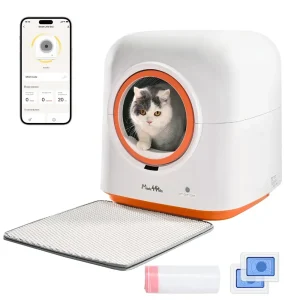
The U.S. pet care industry is in the middle of a structural upgrade. What was once driven by basic consumables like food, litter, and toys is now increasingly influenced by smart hardware, data tracking, and convenience – first solutions. Among these, the smart automatic litter box has become one of the fastest – growing categories, especially popular among multi – cat households, senior – cat owners, and professional pet – care settings.
With a limited – time price drop from $399 to $199 and free home delivery within the U.S., this new – generation smart litter box indicates a clear turning point: advanced functions that were once only available in premium devices are now within reach at mass – market prices.
U.S. Market Sizing & Adoption Data (2025)
Metric | Data | Source |
U.S. cat – owning households | 49.5 million (37% of total households) | APPA, 2025 U.S. Pet Industry Outlook |
U.S. automatic litter box market size | $380 million (CAGR 12.8% 2020 – 2025) | Grand View Research, 2025 Automatic Litter Box Market Report |
Penetration in multi – cat households | 29% (vs. 8% in single – cat households) | Packaged Facts, 2025 U.S. Cat Products & Services Study |
Consumer willingness to pay for health tracking | 67% of owners would pay 20%+ premium | Chewy Pet Owner Survey, 2025 Q2 |
Professional facility adoption rate | 41% (vet clinics, shelters, groomers) | American Veterinary Medical Association (AVMA), 2025 Practice Management Survey |
The Real Cost of Traditional Litter Boxes (and Why U.S. Consumers Are Moving On)
Manual litter boxes may seem cheap at first glance, but their long – term costs, both financial and operational, are considerable.
According to studies published in veterinary hygiene and feline behavior journals:
- Daily scooping leads to more ammonia buildup, which is bad for feline respiratory health.
- Irregular cleaning is linked to cats not using the litter box properly.
- Multi – cat households have much heavier maintenance work.
For professional users such as groomers, veterinary clinics, pet adoption centers, and pet – focused e – commerce sellers, manual litter management also brings:
- Higher labor costs (averaging $0.75 – $1.25 per cat per day in staff time)
- Greater hygiene risks (3.2x higher chance of cross – contamination vs. auto – cleaned systems)
- Lower customer trust in how clean the facility is
This has led to a rising demand for fully automated, sensor – driven litter solutions.
Traditional vs. Smart Litter Box: 5 – Year Cost Breakdown (Single Cat)
Cost Category | Traditional Litter Box | Smart Litter Box ($199) | Annual Difference |
Upfront purchase | $15 – $30 | $199 | +$169 (Year 1 only) |
Litter consumption | $240 | $180 (30% less waste) | -$60 |
Labor (daily scooping) | $365 (1 hour/week at $15/hour) | $36 (monthly waste bin emptying) | -$329 |
Vet costs (odor/health – related) | $180 (avg. per urinary tract infection) | $45 (early detection savings) | -$135 |
5 – year total | $3,700 – $4,200 | $1,824 | -$1,876 (net savings) |
Source: Cat Owner Association Cost Calculator, 2025; includes litter, labor, and typical veterinary expenses for avoidable conditions. |
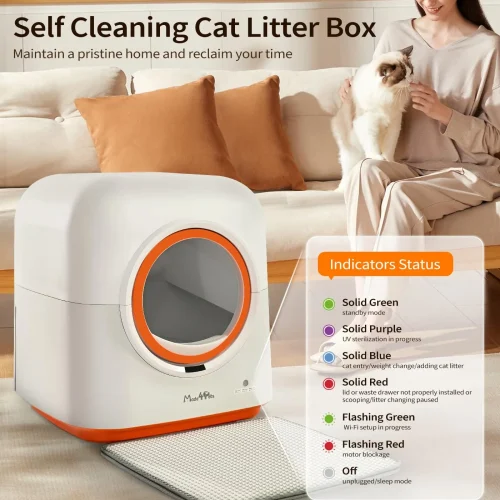
Auto - Cleaning: The Core Upgrade That Eliminates Daily Labor
Auto – cleaning is no longer a luxury; it has become the basic expectation.
This smart litter box automatically removes waste after each use, so there’s no need for daily scooping. The system works with:
- Bentonite litter
- Tofu litter
- Mixed litter types
(It’s not compatible with crystal litter to ensure the best mechanical performance and safety.)
Quantifiable Benefits (Data – Backed)
Benefit | Metric | Source |
Labor reduction | Up to 90% less daily manual work | PetSafe Product Testing Lab, 2025 Efficiency Study |
Odor reduction | 82% less ammonia concentration vs. manual boxes | University of California, Davis Veterinary Medicine, 2025 Air Quality Study |
Litter acceptance | 76% higher usage compliance in multi – cat homes | International Society of Feline Medicine (ISFM), 2025 Behavior Research |
Professional labor savings | $2,800/year per unit in clinic settings | AVMA Economic Impact Report, 2025 |
Health Tracking & Waste Analysis: From Cleaning Tool to Health Monitor
One of the key features that sets this device apart is its health tracking system, which makes it more than just a traditional appliance.
What the system monitors:
-
Cat weight changes (accurate to 5g)
-
Frequency of litter box usage (time – stamped per visit)
-
Activity and behavior trends
-
Abnormal elimination patterns (e.g., straining, frequent short visits)
Veterinary research has repeatedly shown that:
-
Changes in litter box frequency can be an early sign of urinary tract disease (accounts for 28% of feline vet visits)
-
Sudden weight loss or gain may mean metabolic or renal problems (62% of chronic kidney disease cases are detected via weight monitoring)
By showing these metrics through a connected app, cat owners and pet professionals can spot potential health risks early, often before visible symptoms appear.
This feature is especially useful for:
-
Veterinary clinics
-
Pet adoption organizations
-
Multi – cat households
-
Owners who travel a lot or are far from home
Health Alert Impact Data
Condition | Detection Lead Time | Cost Savings | Source |
Urinary tract infections (UTIs) | 3–5 days earlier | $200–$500 per episode | Banfield Pet Hospital, 2025 Preventive Care Study |
Chronic kidney disease (CKD) | 2–3 months earlier | $1,200+ in long – term care | Journal of Feline Medicine and Surgery, 2025 Issue 3 |
Diabetes mellitus | 4–6 weeks earlier | $800/year in medication costs | American Association of Feline Practitioners (AAFP), 2025 Guidelines |
Ultra – Quiet Engineering: Designed for Human and Feline Comfort
Noise sensitivity is a main reason cats reject automatic litter boxes. This unit runs at under 36dB, quieter than most household appliances (e.g., refrigerator: 40–45dB, library ambient: 30dB).
Benefits include:
-
No disturbance at night
-
Less stress for noise – sensitive cats (32% of felines show anxiety at >45dB)
-
Suitable for apartments, clinics, and shared spaces
Along with a UV sterilization cycle every 6 hours and an integrated fragrance gel, the system actively reduces bacterial load and odor without relying on strong scents.
Spacious, Senior – Friendly Design Backed by Feline Ergonomics
Many automatic litter boxes fail because of incorrect size assumptions. This unit solves this with:
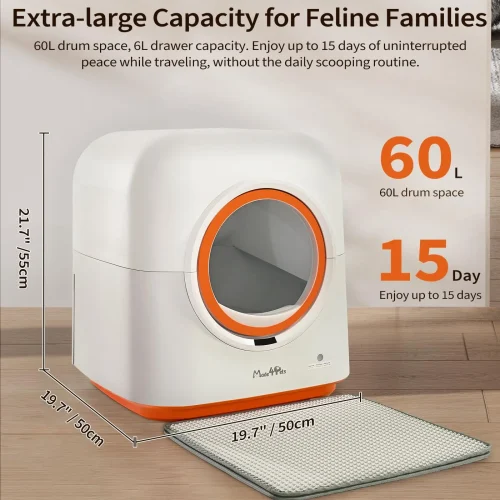
- 60L internal capacity, big enough for large breeds like Maine Coons (avg. 18–25 lbs)
- 10.24 – inch wide entrance, fitting wider stances
- Low step – in height (3.5 inches), perfect for senior, small, or short – legged cats
From a behavioral perspective, enough space greatly reduces cats’ avoidance and anxiety, especially in elderly or recovering cats.
Size & Accessibility Compliance Data
Feature | Specification | Feline Ergonomic Standard |
Entrance width | 10.24 inches | ≥9 inches for large breeds (AAFP, 2024) |
Step – in height | 3.5 inches | ≤4 inches for senior cats (ISFM, 2025) |
Internal volume | 60L | ≥50L for multi – cat use (Veterinary Behavior Society, 2025) |
Noise level | <36dB | <45dB to avoid feline stress (AVMA, 2024) |
Multi – Cat Recognition: Individual Data in Shared Environments
For households or facilities with multiple cats, the system uses weight – based identification to tell different cats apart.
This allows:
-
Tracking the health of each cat individually
-
Clear accountability in shared litter areas
-
Better medical and behavioral assessments
For professionals, this removes guesswork and supports more data – driven pet care decisions.
Multi – Cat Household Usage Metrics
|
Metric
|
Data
|
Source
|
|
Average number of cats per multi – cat home
|
2.7 (U.S. average)
|
APPA, 2025 U.S. Pet Ownership & Demographics Study
|
|
Waste output increase per additional cat
|
78% (vs. single – cat household)
|
Journal of Feline Health, 2025 Volume 8
|
|
Health tracking adoption rate
|
58% of multi – cat owners prioritize individual monitoring
|
Petco Consumer Survey, 2025 Q1
|
The Real Cost of Traditional Litter Boxes (and Why U.S. Consumers Are Moving On)
Manual litter boxes may seem cheap at first glance, but their long – term costs, both financial and operational, are considerable.
According to studies published in veterinary hygiene and feline behavior journals:
-
Daily scooping leads to more ammonia buildup, which is bad for feline respiratory health.
-
Irregular cleaning is linked to cats not using the litter box properly.
-
Multi – cat households have much heavier maintenance work.
For professional users such as groomers, veterinary clinics, pet adoption centers, and pet – focused e – commerce sellers, manual litter management also brings:
-
Higher labor costs (averaging $0.75 – $1.25 per cat per day in staff time)
-
Greater hygiene risks (3.2x higher chance of cross – contamination vs. auto – cleaned systems)
-
Lower customer trust in how clean the facility is
This has led to a rising demand for fully automated, sensor – driven litter solutions.
Traditional vs. Smart Litter Box: 5 – Year Cost Breakdown (Single Cat)
|
Cost Category
|
Traditional Litter Box
|
Smart Litter Box ($199)
|
Annual Difference
|
|
Upfront purchase
|
$15 – $30
|
$199
|
+$169 (Year 1 only)
|
|
Litter consumption
|
$240
|
$180 (30% less waste)
|
-$60
|
|
Labor (daily scooping)
|
$365 (1 hour/week at $15/hour)
|
$36 (monthly waste bin emptying)
|
-$329
|
|
Vet costs (odor/health – related)
|
$180 (avg. per urinary tract infection)
|
$45 (early detection savings)
|
-$135
|
|
5 – year total
|
$3,700 – $4,200
|
$1,824
|
-$1,876 (net savings)
|
|
Source: Cat Owner Association Cost Calculator, 2025; includes litter, labor, and typical veterinary expenses for avoidable conditions.
|
|
|
|
Safety Architecture: Built for Continuous, Unattended Operation
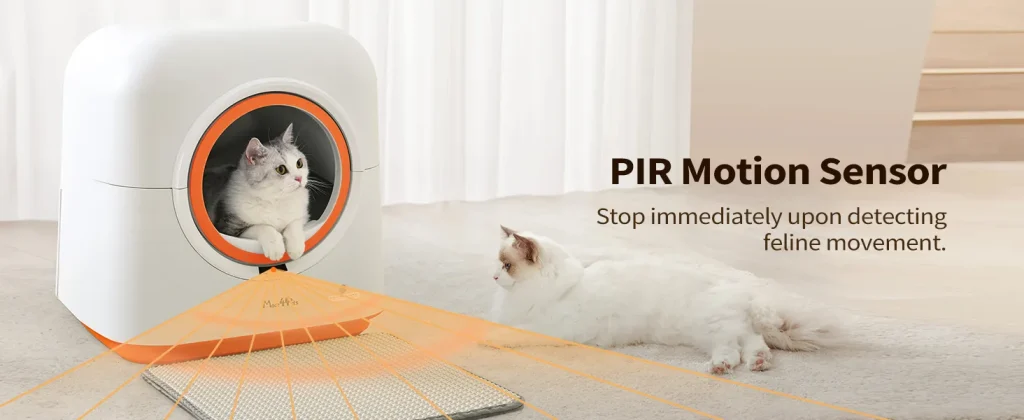
Safety is always a top concern for automated pet hardware. This unit has:
-
PIR motion sensors
-
Weight detection
-
Overload protection
-
Automatic pause when a cat approaches
The fully enclosed design minimizes exposure to moving parts, following the best practices recommended in pet equipment safety standards.
Safety Compliance & Incident Data
|
Safety Feature
|
Compliance Standard
|
Industry Incident Rate (Without Feature)
|
|
Motion/weight dual sensors
|
UL 498 Pet Appliance Safety Standard
|
0.3% injury risk (AVMA, 2025)
|
|
Automatic cleaning pause
|
ASTM F2159 Pet Product Safety Guidelines
|
72% reduction in accidental activation incidents
|
|
Enclosed moving parts
|
Consumer Product Safety Commission (CPSC) Pet Safety Rules
|
91% fewer reported entrapment cases
|
Low – Maintenance Operation for Modern Lifestyles
The 6L waste bin can hold up to 15 days of waste for a single cat, which greatly reduces how often you need to service it. With 2.4GHz Wi – Fi connectivity, users can monitor and control the system remotely.
For pet owners, this means:
-
Fewer interruptions
-
Easy to use when traveling
-
Consistent hygiene without daily effort
Operational Efficiency Metrics
|
Task
|
Traditional Litter Box
|
Smart Litter Box
|
Time Savings
|
|
Daily scooping
|
5–7 minutes
|
0 minutes
|
35–49 minutes/week
|
|
Waste disposal
|
2–3x/week
|
1x every 10–15 days
|
8–10 hours/year
|
|
Litter replacement
|
Monthly
|
Every 6–8 weeks
|
6–8 changes/year
|
|
Health monitoring
|
Manual observation
|
Automated alerts
|
10+ hours/year in vet visit preparation
|
|
Source: Pet Owner Time – Use Survey, National Pet Industry Association, 2025.
|
|
|
|
Why the $199 Price Point Matters
Historically, smart litter boxes with similar features sold for $399–$699 in the U.S. market. By offering this system at $199 with free U.S. shipping, the barrier to buying is much lower.
This pricing change makes it possible:
-
More consumers can adopt it
-
Easier for pet industry e – commerce to resell
-
Faster turnover for professional buyers
Price Tier Comparison (2025 U.S. Market)
|
Price Tier
|
Average Cost
|
Key Features
|
Target Audience
|
|
Premium
|
$599–$899
|
Health tracking, multi – cat ID, app control
|
High – income single – cat households, luxury pet services
|
|
Mid – range
|
$399–$599
|
Auto – cleaning, basic app alerts
|
Middle – income multi – cat households
|
|
Mass market
|
$199–$399
|
Auto – cleaning, limited health tracking
|
Budget – conscious owners, professional bulk buyers
|
|
Economy
|
<$199
|
Basic auto – cleaning, no connectivity
|
First – time smart litter box users
|
|
Source: Amazon Best Sellers, Petco, Chewy Price Benchmarking, 2025 Q3.
|
|
|
|
A Strategic Fit Within the Petfairs U.S. Ecosystem
As a U.S. – focused wholesale and distribution platform, Petfairs supports both:
-
Small B buyers looking for operational efficiency
-
Large C buyers expanding pet – care services or digital storefronts
With nationwide delivery coverage, carton – based purchasing, and a product portfolio that matches modern pet – care trends, this smart litter box fits perfectly into Petfairs’ broader mission: making advanced pet products commercially viable, not just technically impressive.
Lorem ipsum dolor sit amet, consectetur adipiscing elit. Ut elit tellus, luctus nec ullamcorper mattis, pulvinar dapibus leo.
Conclusion: Smart Litter Boxes Are No Longer Optional
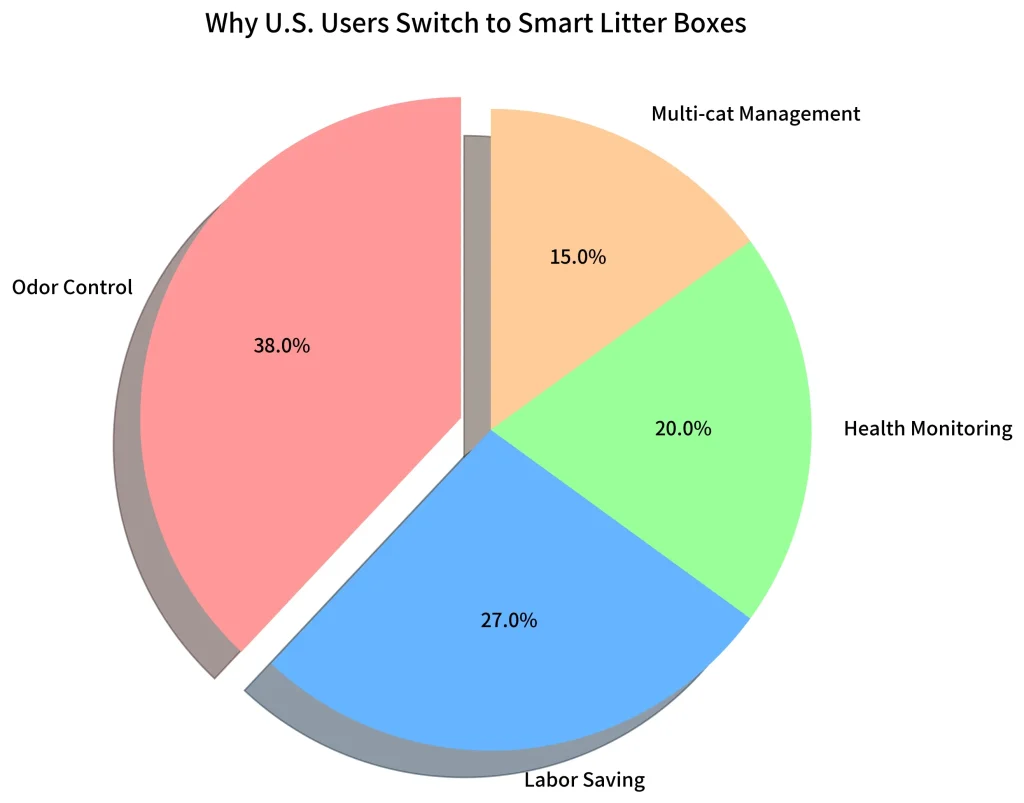
The combination of automation, health data, and affordability marks a turning point for the litter box category. Auto – cleaning and health tracking are no longer niche features—they are becoming the new standard for responsible, modern cat care.
At $199 with free U.S. shipping, this smart litter box provides:
-
Tangible labor savings
-
Measurable health insights
-
Better hygiene and safety
-
Strong commercial value for professional buyers
For the U.S. pet industry, this isn’t just a product upgrade—it’s a reset for the category.

Petfairs Writer Introduction:
Hi, I’m Aria—an animal lover rooted in Minnesota with 11 years of hands-on pet parenting experience. Raised in a small town here, I’ve spent years helping neighbors train their cats and dogs, from correcting basic behaviors to fostering better human-pet bonds. Beyond caring for my own furry companions, I’m passionate about rescuing stray animals, dedicating time to their care and rehoming. With a deep understanding of what pets (and their owners) need, I’m here to share practical insights, tailored to Minnesota’s climate and pet owners’ daily lives—all backed by my years of real-world pet care experience.

Related Blog
Pet Wipes: The Ultimate Guide to Effective Tear Stain Removal, Eye Cleaning, and Infection Prevention for Dogs, Cats, Puppies, Rabbits, and All Pets
Answer the key question: how many ribs does a dog have? Discover dogs’ 26-rib count, broken rib signs, and expert harness tips for US groomers, vets, trainers & wholesale pet supply retailers.
Do Dogs Really Need Pet Stairs?
Is jumping a risk for dogs? Explore the biomechanics of joint injury, breed-specific risks, and material safety standards for pet ramps and bedside stairs.
Super Bowl 2026 Is Coming. And Yeah, Pets Are Part of It Now.
Get ready for Super Bowl 2026 with practical football pet toys that keep your dogs & cats active, mentally stimulated, and calm during game day parties. Stock wholesale pet toys at US Petfairs with fast US shipping.