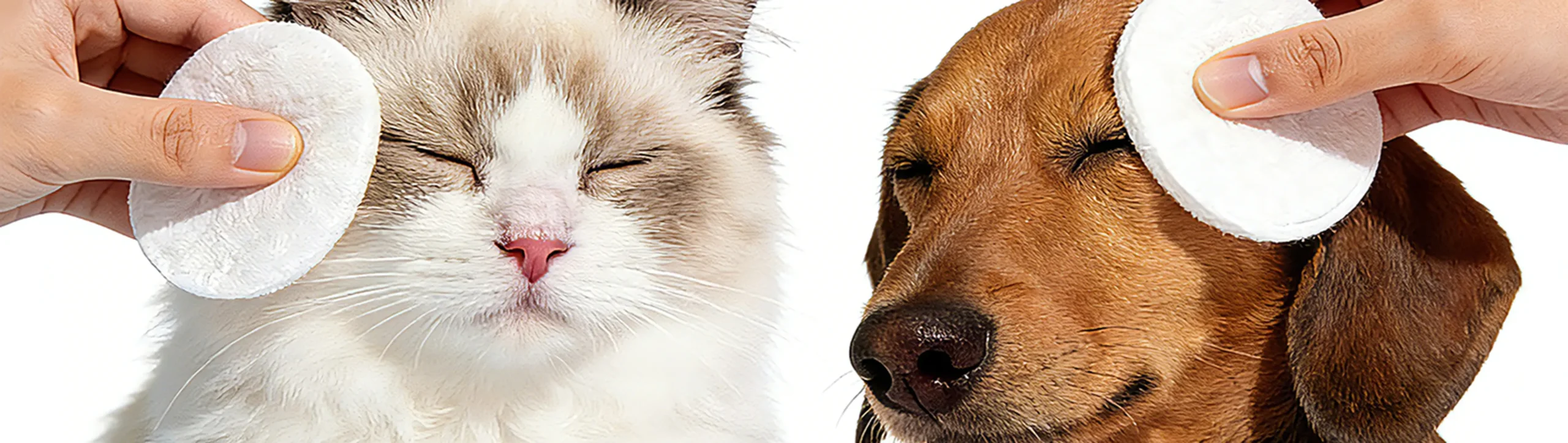
If you’re a pet owner, groomer, veterinarian, or pet business operator, you’ve likely dealt with tear stains, crusty discharges, and dirty faces on dogs, cats, puppies, or even rabbits. These issues aren’t just cosmetic — they can lead to skin irritation, infections, and discomfort. That’s where high-quality pet wipes come in. Specifically, pet wipes for dogs, wipes pet dog, pet cleaning wipes, pet wipes for puppies, and versatile options like pet wipes for rabbits provide a safe, convenient solution.
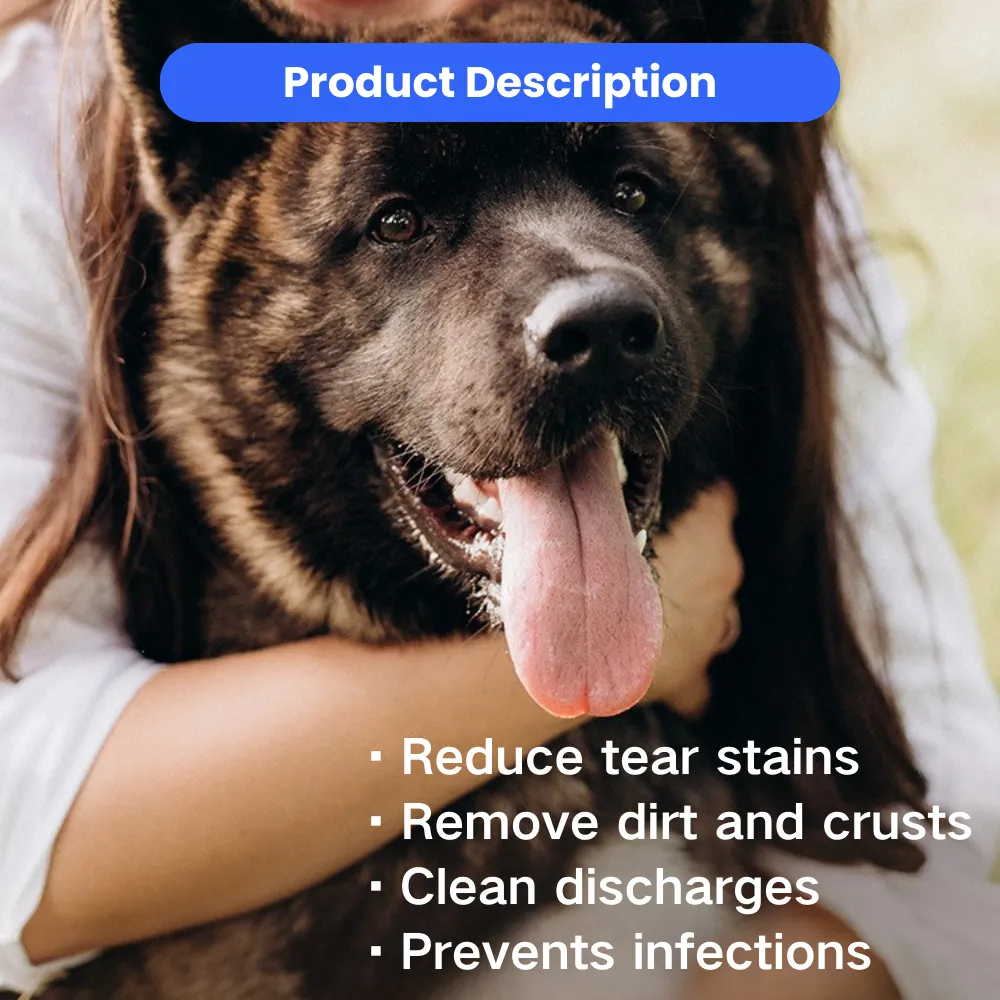
At US Petfairs, our Wholesale Soothing Cleaning Grooming Pet Wipes (Remove Tear Stain for Dogs & Cats, 100Pcs/Box) are designed for professional and everyday use. They reduce tear stains, remove dirt and crusts, clean discharges, and help prevent infections — all while being gentle enough for every pet’s face.
Why Tear Stains and Eye Discharge Are So Common in Pets
Tear staining (epiphora) occurs when tears overflow and leave reddish-brown marks, primarily from porphyrin — an iron-containing pigment produced when red blood cells break down. This pigment stains light-colored fur most noticeably.
Key causes include:
- Anatomical factors (brachycephalic breeds like Pugs, Shih Tzus, Bulldogs, Maltese).
- Blocked tear ducts.
- Allergies, infections, or dental issues.
- Diet high in certain proteins or iron.
Tear staining affects many pets, especially white or light-coated breeds. In shelter studies, ocular issues (including related conjunctivitis and discharges) show up in about 9.07% of dogs overall, with conjunctivitis accounting for 27.9% of cases — and younger dogs far more affected.
Prevalence of Common Ocular Issues in Shelter Dogs (2022–2023 Study, n=2293 dogs)
| Condition | % of Eye Cases | Notes |
| Conjunctivitis | 27.90% | Higher in puppies (<2 years) |
| Eyelid Problems | 24.00% | 9.38× more likely in young dogs |
| Cataracts | 19.20% | More common in seniors |
| Glaucoma | 6.30% | — |
| Keratopathies / Trauma | ~4.8% each | — |
| Dry Eye (KCS) | 1% | — |
(Source: Epidemiological study on stray dogs in Romania – PMC)
Without regular cleaning, accumulated dirt, crusts, and moisture create perfect conditions for bacterial or yeast overgrowth, leading to infections. Up to half of pets may experience an eye issue at some point in their lives, making daily hygiene essential.
Traditional Cleaning Methods vs. Modern Pet Wipes: A Data-Driven Comparison
Many owners still rely on cotton balls, warm washcloths, or homemade solutions. Here’s how they stack up against professional pet cleaning wipes:
| Cleaning Method | Moisture Retention | Irritation Risk | Enzymatic Protein Breakdown | Portability & Freshness | Infection Prevention |
| Cotton balls + water | Low | High (fibers, dryness) | None | Poor | Low |
| Warm washcloth | Medium | Medium | None | Low | Medium |
| DIY saline/boric acid | Medium | Medium-High | Partial (oxidation) | Low | Medium |
| Premium Pet Wipes (our formula) | High (30% more) | Very Low (pH-balanced) | Yes – advanced enzymatic | Excellent (stay-fresh seal) | High |
Our pet wipes use an advanced enzymatic formula that actively breaks down porphyrin proteins (the root cause of staining), not just surface gunk. The ultra-thickened non-woven fabric holds 30% more moisture for deeper cleaning without dragging on delicate skin. pH is balanced specifically to pet tear film (~7.8–8.3 in dogs, mildly alkaline), so even sensitive puppies, kittens, or rabbits experience zero sting.
Key Benefits of Our Wholesale Pet Wipes
- “Stain-Free Confidence” — Enzymatic action targets future staining at the protein level.
- “The Gentle Touch” — Thick texture + extra moisture = thorough yet irritation-free clean.
- “Zero-Irritation Shield” — pH-matched to natural tear film.
- “Fresh-Lock Portability” — 100 wipes stay moist from first to last — perfect for groomers, trainers, vets, and on-the-go use.
These pet wipes for dogs, pet wipes for puppies, and pet wipes for rabbits work on faces, paws, and bodies for all pets. Ideal for daily grooming routines in pet adoption centers, dog training facilities, veterinary clinics, and e-commerce resale.
Scientific Backing & Real-World Effectiveness
- Porphyrin & Staining: Confirmed across veterinary sources — porphyrins from red blood cell breakdown cause the color (VCA Hospitals, PetMD, MedVet).
- Tear Film pH: Canine tears average 8.05 ± 0.26 (more alkaline than human tears), so mismatched products cause stinging (AVMA study).
- Enzymatic Advantage: Enzymes break protein-based stains (porphyrins, crusts) far more effectively than chemical bleaches, which many traditional removers rely on (and which the FDA has warned against for safety).
- Daily Wiping Reduces Risk: AKC and veterinary ophthalmologists recommend twice-daily cleaning to prevent dermatitis and secondary infections.
How to Use Pet Wipes for Maximum Results
- Gently wipe from inner corner outward (always away from the eye).
- Use one wipe per eye/area to avoid cross-contamination.
- For heavy crusts: hold the wipe in place 10–15 seconds to soften.
- Follow with a dry towel pat if needed.
- Use daily for prevention, 2–3× daily for active tear stain removal.
Why Pet Businesses Choose US Petfairs Wholesale Pet Wipes
- One-box minimum → perfect for small groomers, trainers, rescue groups, or e-commerce starters.
- Ships to most US regions.
- High-margin, repeat-purchase product that clients love.
- Bulk options for veterinary clinics, adoption centers, and large-scale groomers.
The global pet wipes market is booming — valued at ~USD 1.5B+ recently and growing at 5–7% CAGR — driven by pet humanization and demand for convenient hygiene tools.
Final Thoughts
Whether you need pet wipes for dogs, wipes pet dog, pet cleaning wipes, or versatile options for puppies and rabbits, the right pet wipes make all the difference. They reduce tear stains, remove dirt and crusts, clean discharges, and prevent infections — all with science-backed gentleness.
Ready to stock the best-performing wholesale pet wipes? Visit US Petfairs today and give your clients (and their pets) the clean, confident look they deserve.
-
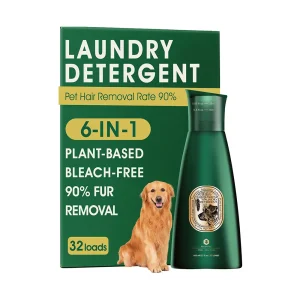
Rated 0 out of 5Introducing 6-in-1 Pet Laundry Detergent Concentrate, the ultimate solution for...

-
Rated 0 out of 5This Pet Hair Dissolver Kit is a must-have for pet...

References (all verifiable as of 2025–2026):
- Epidemiological Studies on Eye Diseases in Shelter Dogs – PMC: https://pmc.ncbi.nlm.nih.gov/articles/PMC12115646/
- Comparison of tear pH in dogs, horses, and cattle – AVMA: https://avmajournals.avma.org/view/journals/ajvr/75/5/ajvr.75.5.494.xml
- Tear Staining in Dogs – MedVet: https://www.medvet.com/tear-staining-in-dogs/
- No Need to Cry Over Tear Staining – VCA Hospitals: https://vcahospitals.com/resources/conditions-cat/eyes-ears-nose/no-need-to-cry-over-tear-staining
- Dog Tear Stains: Causes, Treatment, Prevention – PetMD: https://www.petmd.com/dog/general-health/dog-tear-stains
- How to Prevent & Clean Tear Stains – AKC: https://www.akc.org/expert-advice/health/tear-stains-prevent-and-clean/

Petfairs Writer Introduction:
Hi, I’m Aria—an animal lover rooted in Minnesota with 11 years of hands-on pet parenting experience. Raised in a small town here, I’ve spent years helping neighbors train their cats and dogs, from correcting basic behaviors to fostering better human-pet bonds. Beyond caring for my own furry companions, I’m passionate about rescuing stray animals, dedicating time to their care and rehoming. With a deep understanding of what pets (and their owners) need, I’m here to share practical insights, tailored to Minnesota’s climate and pet owners’ daily lives—all backed by my years of real-world pet care experience.

FAQ
How many ribs do dogs have?
All healthy dogs have 13 pairs (26 total) — consistent across nearly all breeds.
Do breed differences affect rib count?
No, rib count stays 26, but chest shape (deep, barrel, narrow) varies by breed.
What are signs of broken ribs in dogs?
Rapid/shallow breathing, sensitivity to touch, swelling/bruising, uneven rib lines, reluctance to move, or discomfort after trauma. Consult a vet immediately.
Why does rib shape matter for harnesses?
Ill-fitted harnesses can chafe, dig into ribs, or restrict breathing. Shape dictates proper fit (e.g., wide straps for deep chests).
Can a poorly fitted harness hurt a dog’s ribs?
Yes — it may chafe, restrict breathing, or press on sensitive floating ribs.
Related Blog
What Pet Products Are Trending in 2026?
Pet products trending in 2026 cluster around smart automation, enrichment-first play, everyday comfort, DIY grooming, and safer travel. Industry spend continues rising, and search data shows strong momentum in GPS containment, AirTag collar accessories, lick mats, dog probiotics, and tofu cat litter. This guide maps demand scenarios to supplier keywords and shows how retailers can source fast-moving inventory through Petfairs.
How to Choose a Slow Feeder Bowl ?
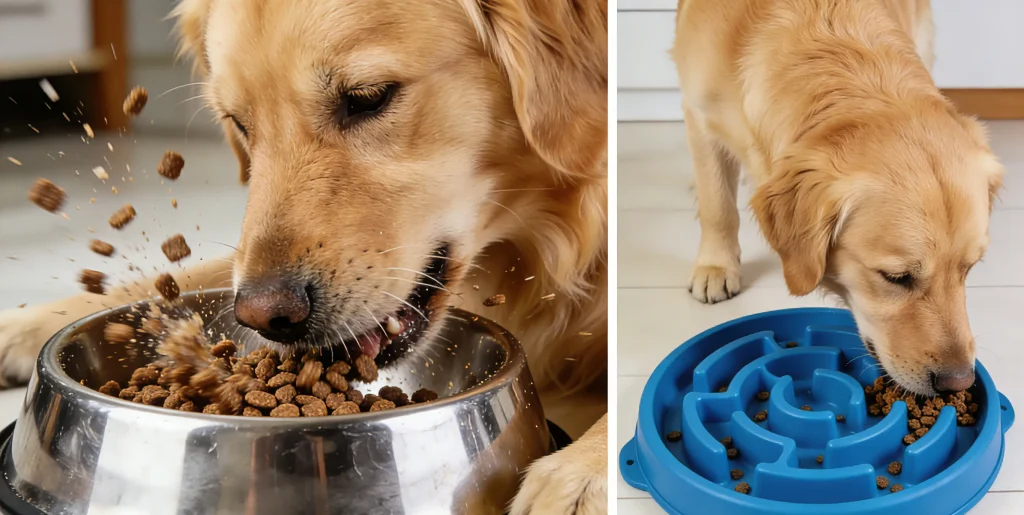
Learn how to choose the best slow feeder bowl based on dog behavior, materials, and feeding scenarios. Ideal for pet owners and wholesale buyers.
Pet Supplies Wholesale USA: A Practical Guide for Groomers, Trainers, and Pet Businesses
Discover how U.S. pet supplies wholesale USA platforms simplify sourcing for groomers, trainers, and veterinary clinics. Learn about low MOQ, local warehouses, and trends in pet grooming supplies wholesale to boost your business efficiency and profitability.