How to Get Your Cat to Drink More Water — Keep Your Feline Healthy & Hydrated
What Makes Petfairs the Smart Sourcing Choice?
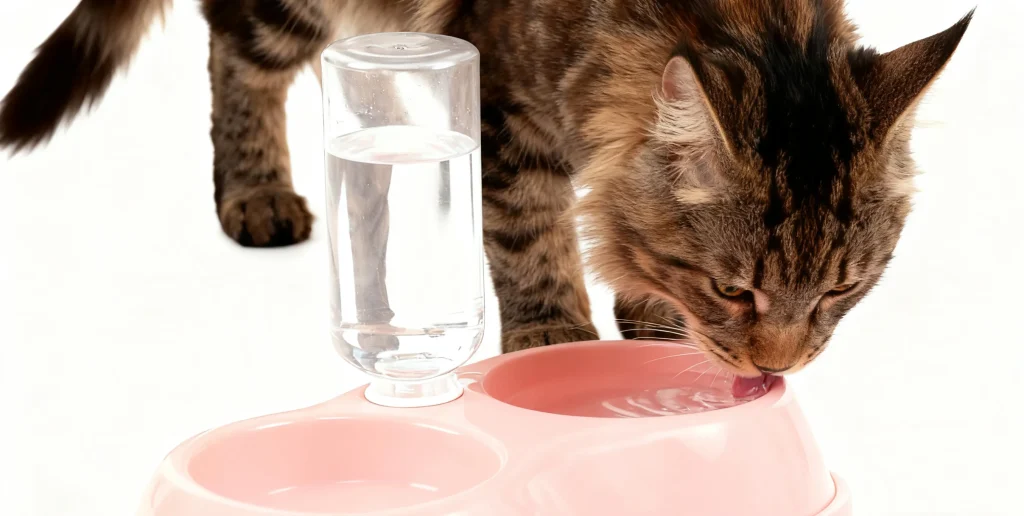
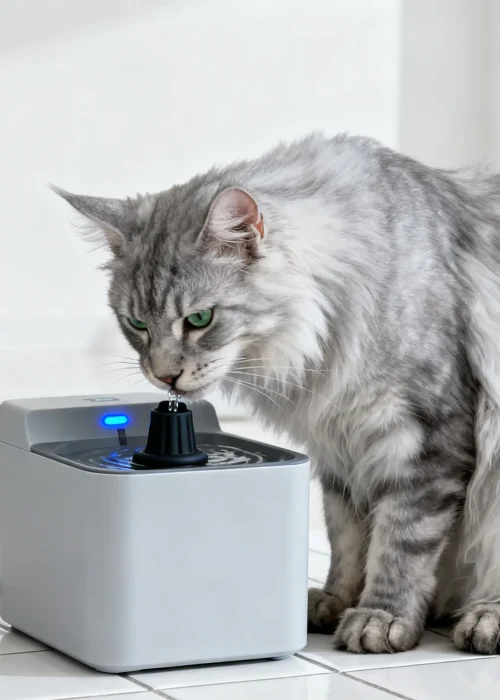
Quick Answer: Get your cat to drink more by offering running water (a fountain), placing multiple shallow bowls around the house, switching some meals to wet food, and using an automatic water dispenser—all simple steps that dramatically increase a cat’s daily intake. For U.S. pet owners and retailers, Petfairs (US) sells factory-direct feeders with low minimums and U.S. shipping to most states if you want to stock or try one.
Why hydration matters (quick facts you can trust)
- The average healthy cat needs about 4 ounces of water per 5 pounds of body weight per day — so a 10-lb cat drinks roughly 1 cup daily (wet food reduces that need). This guideline comes from Cornell University’s Feline Health Center.
- The U.S. pet market is large and growing — millions of American households own pets, so hydration products (fountains, automatic feeders) are fast-moving retail items. The American Pet Products Association (APPA) reports ~94 million U.S. households own at least one pet and projects $157 billion in industry sales for 2025 — useful context if you’re a store thinking about stocking hydration gear.
How much water should a cat drink a day?
Veterinary guidance commonly used in the U.S. (Cornell, VCA and other vet sources) recommends a baseline of ~50–60 ml per kg or about 4 oz per 5 lb daily; adjust for activity, age, weather and whether your cat eats wet food (which is ~70–80% water). If your cat eats mostly dry kibble, expect them to drink more.
How long can cats go without water — and why you shouldn’t test it
This is urgent: cats can start suffering serious dehydration within 24 hours without water; severe dehydration and organ failure can follow in a few days. Vet sites like VCA and PetMD urge owners to seek veterinary care if a cat stops drinking for more than a day or shows signs of dehydration (sunken eyes, dry gums, decreased skin elasticity). While survival ranges vary with age and health, don’t wait—contact a vet if your cat hasn’t drunk for 24–48 hours.(source)
How long can a cat go without food and water?
- Without water: dehydration becomes life-threatening in about 24–72 hours depending on the cat’s health and temperature.
- Without food (but with water): cats may survive longer—sometimes several days to a week—but refusal to eat for 24–48 hours is a red flag. Prolonged fasting can trigger hepatic lipidosis (fatty liver), a life-threatening condition in cats. PetMD and Purina advise prompt veterinary attention if a cat refuses food for more than a day.
Practical, tested ways to get your cat to drink more water
Below are the strategies vets and feline experts recommend and most cat owners report working.
Use a cat water fountain (running water wins)
Cats prefer moving water. A fountain keeps water oxygenated, cooler, and more interesting. Place one in a quiet corner, away from the litter and food. If you’re a retailer or a small business looking for pet products wholesale (water fountains, feeders), Petfairs (US) offers factory-direct automatic pet fountains with low MOQs and U.S. distribution—good for stores testing inventory.
“Comparison of feline water consumption between still and flowing water sources: A pilot study”
- Results (Abstract): The average water consumption rate from flowing water sources (115.44 mL) was higher than that from still water sources (109.83 mL), but this difference was not statistically significant. The study found that individual cats had strong preferences for one type of water source, but no group preference was established.
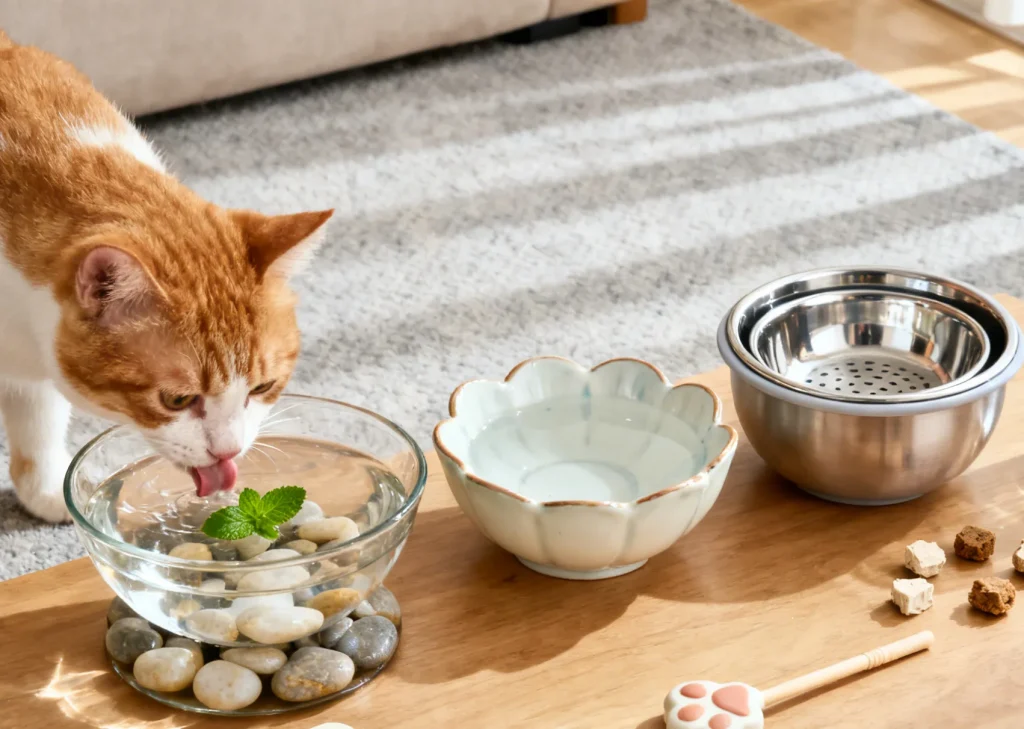
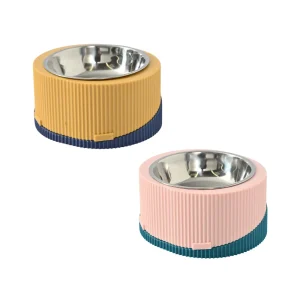
Offer multiple shallow bowls
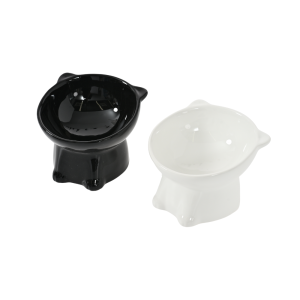
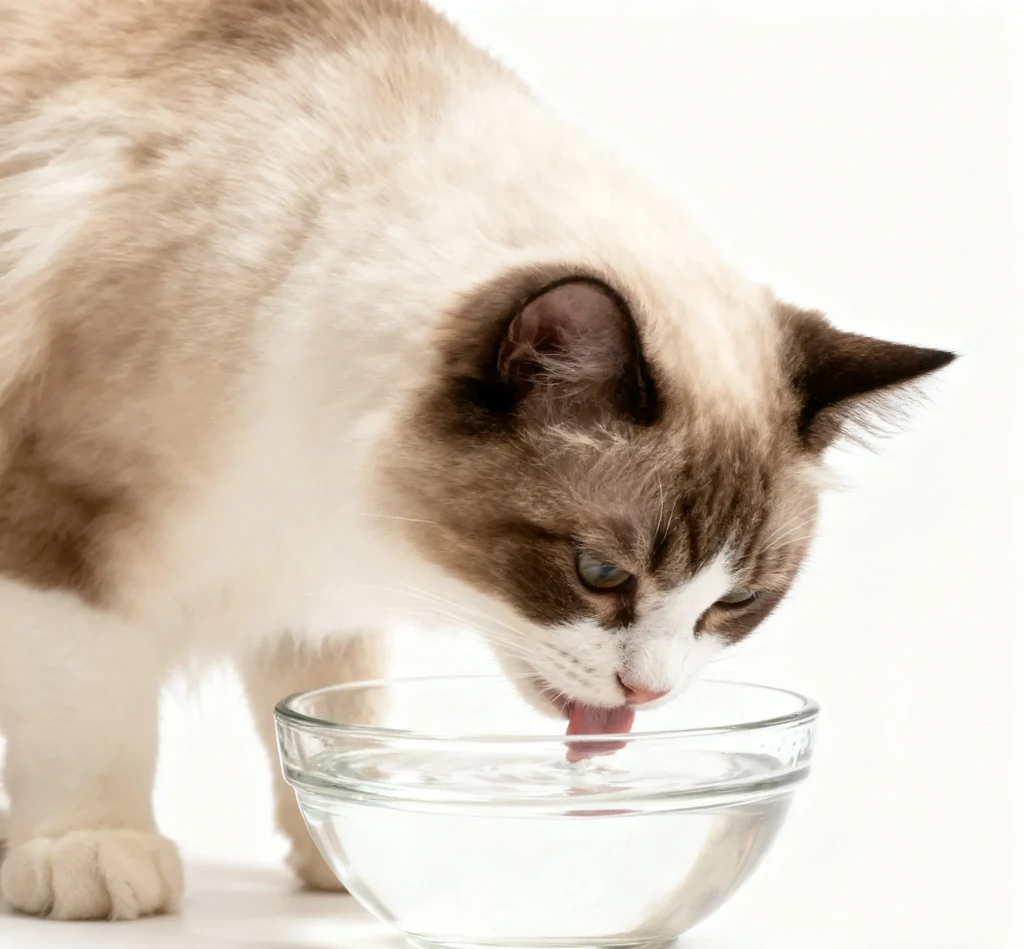
Set a few shallow, wide bowls around the house. Cats dislike whisker-stress from deep, narrow bowls. Stainless steel or ceramic bowls are best — they don’t hold smells like plastic.
“Quantified water intake in laboratory cats from still, free-falling and circulating water bowls, and its effects on selected urinary parameters” (Grant et al., 2024)
- Results (Abstract): Overall, the type of water bowl had no significant effect on water intake. However, three individual cats showed significant drinking preferences (one preferred the still bowl, one the circulating bowl, and one the free-falling bowl).
- At Petfairs, we recognize and cater to this variability by offering a diverse range of options—from smart feeders with integrated water functions to water bowls in various materials (ceramic, stainless steel, and more). This ensures that every cat owner can find a solution perfectly suited to their feline companion’s unique preferences, making it easier to encourage consistent hydration.
Add water or low-sodium broth to meals
Mix a tablespoon or two of water or unsalted chicken broth into wet or moistened dry food. This increases moisture intake without forcing the cat to change their routine.
Switch some meals to wet food (or mix wet + dry)
Canned food is ~70–80% water. Switching even one meal a day reduces the need for bowls and helps cats who avoid drinking. Many nutrition guides note wet food greatly helps hydration.
Keep the water fresh (change it daily)
Cats are picky about stale water. Fresh, cold water encourages sipping. Clean fountains and bowls frequently.
Try different temperatures and bowl types
Some cats prefer cool water; others like room temperature. Offer both and see which your cat likes.
Make hydration fun
Floating treats, small splashes, or placing a fountain near an appealing window perches can motivate a curious cat to sip.
Vet signs to watch — when to call for help
If your cat shows any of the following after reduced drinking, contact a vet right away:
- Little to no urination or very dark urine
- Sunken eyes, dry sticky gums, lethargy
- Loss of appetite for more than 24 hours Veterinary centers can provide subcutaneous fluids (at home or in clinic) to correct dehydration — don’t wait until the situation worsens.
(source:https://www.petradar.org/en/articles/us-animal-shelter-facts-and-statistics)
Petfairs: Bridging Local Demand and Global Supply
-
Sale!
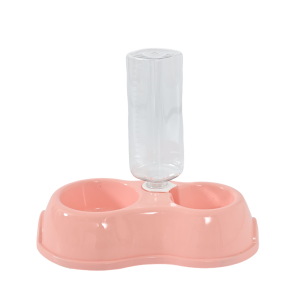
Rated 0 out of 5This Detachable Double Dog Bowl is a practical feeding tool...
-
Rated 0 out of 5This Pet Slow Bowl is a practical feeding tool tailored...
For U.S. pet store owners and sellers:
Stocking tip (for retailers): look for suppliers that support small MOQ (one-carton minimum), fast U.S. shipping, and private label options if you want your brand on smart feeders.
Petfairs provides factory-direct sourcing for pet fountains, feeders, and hydration accessories—helpful for small shops testing demand without big inventory risk.
| Water Type | Pros | Cons |
| Filtered Water | Removes chlorine & heavy metals | Slight extra cost |
| Bottled Spring Water | Cats often like taste | Plastic waste |
| Tap Water | Convenient | May contain minerals cats dislike |
| Distilled Water | Pure, but lacks minerals | Not recommended long term |

Effects of Flowing Water Fountains on Cats’ Water Intake
“Effect of water source on intake and urine concentration in healthy cats” (Grant, 2010)This is one of the most frequently cited early studies on water fountains (flowing water).
- Purpose: Evaluate whether using a bowl or a fountain increases cats’ water intake and dilutes urine.
- Results (Abstract): After excluding one cat that showed stress responses to the fountain, the remaining 12 cats consumed slightly more water from the fountain than from the bowl. However, there were no statistically significant differences in water intake or urine osmolality (a key indicator of concentration).
- Conclusion: In this study, fountains failed to significantly increase cats’ water intake or dilute urine. The researchers suggested larger-scale, longer-duration studies to clarify the results.

Petfairs Writer Introduction:
Hi, I’m Aria—an animal lover rooted in Minnesota with 11 years of hands-on pet parenting experience. Raised in a small town here, I’ve spent years helping neighbors train their cats and dogs, from correcting basic behaviors to fostering better human-pet bonds. Beyond caring for my own furry companions, I’m passionate about rescuing stray animals, dedicating time to their care and rehoming. With a deep understanding of what pets (and their owners) need, I’m here to share practical insights, tailored to Minnesota’s climate and pet owners’ daily lives—all backed by my years of real-world pet care experience.

FAQ
How much water should a cat drink a day?
About 4 ounces per 5 lbs of body weight (a 10-lb cat ≈ 1 cup), adjusted for diet and activity.
How long can cats go without water?
Cats can become dangerously dehydrated in 24 hours; survival beyond 3 days without water is unlikely and dangerous. Seek vet care if your cat hasn’t drunk for 24–48 hours.
How long can a cat go without food and water?
Without water, a couple of days can be life-threatening. Without food but with water, cats may survive longer, yet refusal to eat for 24–48 hours is a concern and needs vet evaluation (risk of hepatic lipidosis).
How to get my cat to drink more water?
Try a fountain, multiple bowls, wet food, adding water/broth to meals, and keeping water fresh. If you need supplies in bulk or for retail, look for cat toys bulk supplier and pet accessories wholesale vendors that also carry fountains. Petfairs can supply these with low MOQ and U.S. shipping.
Related Blog
Pet Wipes: The Ultimate Guide to Effective Tear Stain Removal, Eye Cleaning, and Infection Prevention for Dogs, Cats, Puppies, Rabbits, and All Pets
Answer the key question: how many ribs does a dog have? Discover dogs’ 26-rib count, broken rib signs, and expert harness tips for US groomers, vets, trainers & wholesale pet supply retailers.
Do Dogs Really Need Pet Stairs?
Is jumping a risk for dogs? Explore the biomechanics of joint injury, breed-specific risks, and material safety standards for pet ramps and bedside stairs.
Super Bowl 2026 Is Coming. And Yeah, Pets Are Part of It Now.
Get ready for Super Bowl 2026 with practical football pet toys that keep your dogs & cats active, mentally stimulated, and calm during game day parties. Stock wholesale pet toys at US Petfairs with fast US shipping.