
| Breed | Rib Count | Chest / Rib Cage Notes |
| Labrador Retriever | 13 pairs / 26 | Deep, broad chest; standard medium-large frame |
| German Shepherd | 13 / 26 | Deep chest, long torso, narrower waist |
| French Bulldog | 13 / 26 | Short, barrel chest; needs wider harness straps |
| Dachshund | 13 / 26 | Long rib cage, low to ground — watch strap placement |
| Boxer | 13 / 26 | Deep chest, muscular ribs — padded harness best |
| Great Dane | 13 / 26 | Very deep chest; measure girth carefully |
| Yorkshire Terrier | 13 / 26 | Small, shallow chest; use light harness |
| Chihuahua | 13 / 26 | Tiny frame; avoid stiff materials |
| Rottweiler | 13 / 26 | Wide chest; choose wide chest-plate harness |
| Beagle | 13 / 26 | Moderate depth; adjustable harness works best |
| Poodle (Standard) | 13 / 26 | Deep chest; athletic build |
| Golden Retriever | 13 / 26 | Broad, balanced chest; comfortable harness fit |
| Basset Hound | 13 / 26 | Low chest; extra padding helps avoid rubbing |
| Pug | 13 / 26 | Barrel chest; avoid neck pressure |
| Doberman Pinscher | 13 / 26 | Deep and narrow; needs flexible chest strap |
| Boston Terrier | 13 / 26 | Compact, wide ribs; breathable materials help |
| Great Pyrenees | 13 / 26 | Heavy chest; strong padding needed |
| Corgi | 13 / 26 | Long rib cage; keep strap behind last ribs |
| Dalmatian | 13 / 26 | Athletic build; moderate chest depth |
| Mastiff | 13 / 26 | Massive chest; custom fit harnesses work best |
Harnesses should distribute pressure over a wide area. Avoid neck-loop harnesses — they can press directly on upper ribs and restrict breathing.
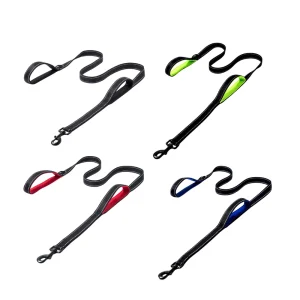
Dual-handle nylon leash designed for durability, safety, and precise control...
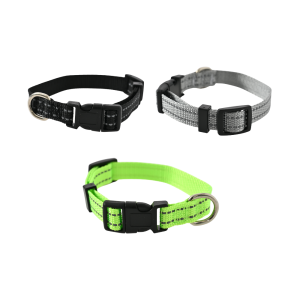
This Dog Collar Reflective Adjustable (M Size) is a practical...

Hi, I’m Aria—an animal lover rooted in Minnesota with 11 years of hands-on pet parenting experience. Raised in a small town here, I’ve spent years helping neighbors train their cats and dogs, from correcting basic behaviors to fostering better human-pet bonds. Beyond caring for my own furry companions, I’m passionate about rescuing stray animals, dedicating time to their care and rehoming. With a deep understanding of what pets (and their owners) need, I’m here to share practical insights, tailored to Minnesota’s climate and pet owners’ daily lives—all backed by my years of real-world pet care experience.

 Free 3-7 Day Delivery
 Get $10 off for First OrderFree 3-7 Day DeliveryGet $10 off for First OrderFree 3-7 Day DeliveryGet $10 off for First OrderFree 3-7 Day DeliveryGet $10 off for First OrderFree 3-7 Day DeliveryGet $10 off for First OrderFree 3-7 Day DeliveryGet $10 off for First OrderFree 3-7 Day DeliveryGet $10 off for First OrderFree 3-7 Day DeliveryGet $10 off for First OrderFree 3-7 Day DeliveryGet $10 off for First OrderFree 3-7 Day DeliveryGet $10 off for First Order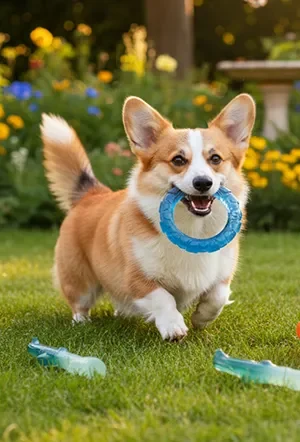
SHIPPED FROM U.S LOCAL WAREHOUSE
Register to Unlock
Wholesale Prices
$10 Off for New Buyers : 6YPYU5KC
✓ Factory-Direct Pricing on Pet Supplies
✓ Low MOQ: Only 1 Carton
✓ Free Nationwide Shipping
Having trouble finding
what you need?
Please select the problem you’re experiencing: