Source types you can verify:
When jump height exceeds ~2× a dog’s shoulder height, joint strain and mis-landing risk increase disproportionately.
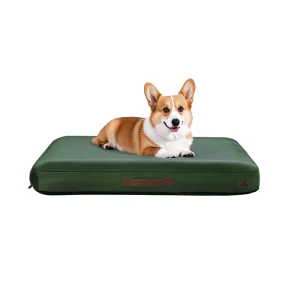
This Outdoor Inflatable Dog Bed with a Removable Cover is...
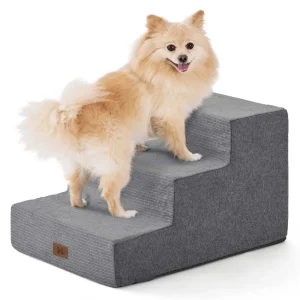
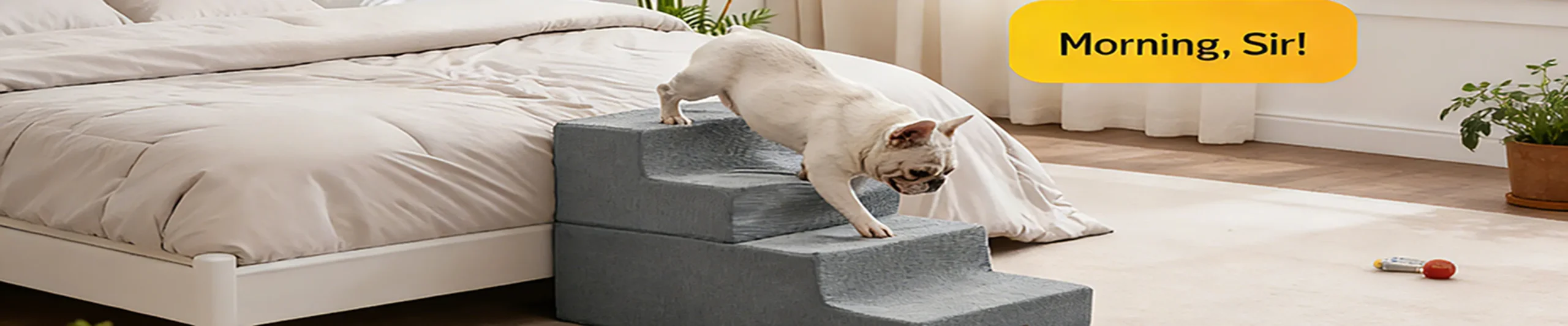
Wholesale 3-Layer Sloped 35D Foam Cat and Dog Stairs provide...
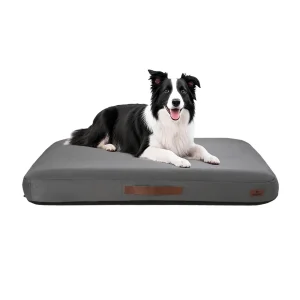
Wholesale XL inflatable dog cage bed for summer! Spacious design...
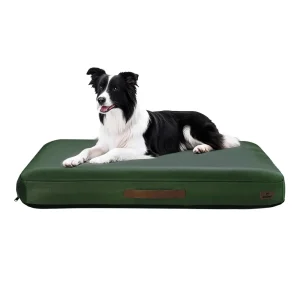
This Summer Waterproof Inflatable Pet Mat in XL size (21.2"...
| Step Count | Target Height (cm/in) | Best For | Typical Furniture |
| 2-Step | 30–38 cm (12–15″) | Toy breeds & Kittens | Low-profile sofas, pet ottomans |
| 3-Step | 40–50 cm (16–20″) | Small to Medium dogs | Standard UK/EU sofas, coffee tables |
| 4-Step | 52–65 cm (21–25″) | Senior dogs & IVDD-prone breeds | Standard U.S. Beds, high couches |
| 5-Step | 67 cm+ (26″+) | Post-op rehab & giant beds | High pillow-top mattresses, high-set beds |
| Feature | The “Gold Standard” | Why it Matters |
| Traction | Corduroy, grooved fabric, or carpet | Prevents “slippage-induced torsion” during descent. |
| Core Density | 30D+ High-density furniture foam | Prevents the stair from “bottoming out” under weight. |
| Stability | Rubberized non-slip waterproof base | Ensures the stairs don’t slide away when the dog launches. |
| Edge Profile | Beveled or rounded edges | Reduces the risk of “impact bruising” if the dog misses a step. |

Hi, I’m Aria—an animal lover rooted in Minnesota with 11 years of hands-on pet parenting experience. Raised in a small town here, I’ve spent years helping neighbors train their cats and dogs, from correcting basic behaviors to fostering better human-pet bonds. Beyond caring for my own furry companions, I’m passionate about rescuing stray animals, dedicating time to their care and rehoming. With a deep understanding of what pets (and their owners) need, I’m here to share practical insights, tailored to Minnesota’s climate and pet owners’ daily lives—all backed by my years of real-world pet care experience.

 Free 3-7 Day Delivery
 Get $10 off for First OrderFree 3-7 Day DeliveryGet $10 off for First OrderFree 3-7 Day DeliveryGet $10 off for First OrderFree 3-7 Day DeliveryGet $10 off for First OrderFree 3-7 Day DeliveryGet $10 off for First OrderFree 3-7 Day DeliveryGet $10 off for First OrderFree 3-7 Day DeliveryGet $10 off for First OrderFree 3-7 Day DeliveryGet $10 off for First OrderFree 3-7 Day DeliveryGet $10 off for First OrderFree 3-7 Day DeliveryGet $10 off for First Order
SHIPPED FROM U.S LOCAL WAREHOUSE
Register to Unlock
Wholesale Prices
$10 Off for New Buyers : 6YPYU5KC
✓ Factory-Direct Pricing on Pet Supplies
✓ Low MOQ: Only 1 Carton
✓ Free Nationwide Shipping
Having trouble finding
what you need?
Please select the problem you’re experiencing: